UN Special Rapporteur calls for equal access to healthcare for migrant workers in the Maldives
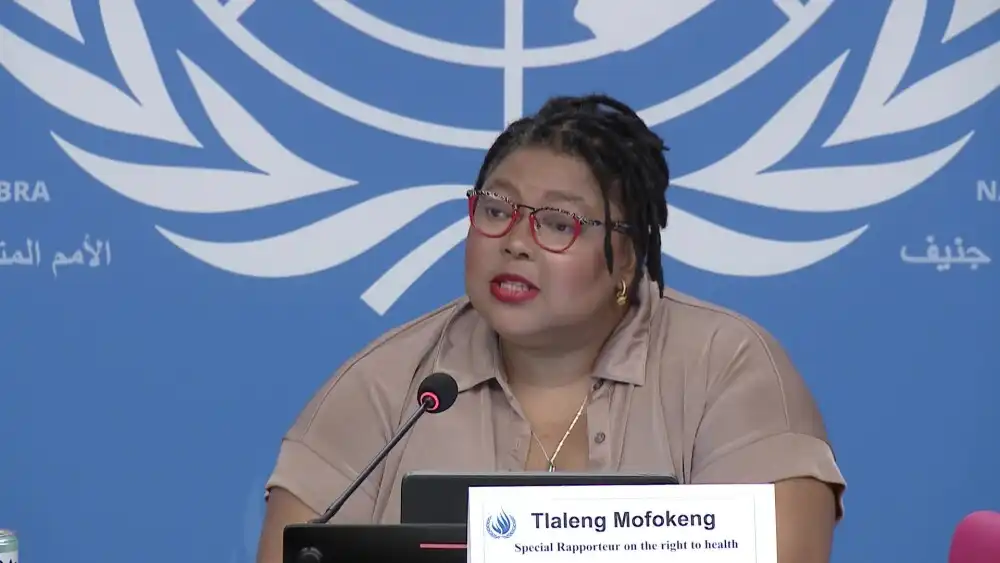
9 މެއި 2026 | ހޮނިހިރު 12:30UN expert Tlaleng Mofokeng has called on the Maldives to ensure equitable healthcare access for migrant workers while increasing focus on mental health and non-communicable diseases. Emphasizing the need to strengthen the healthcare system, she highlighted the importance of investing in primary care and fostering greater participation from civil society organizations. Furthermore, she urged government ministries to enhance inter-agency collaboration to establish a sustainable framework for the future of the nation's health sector.
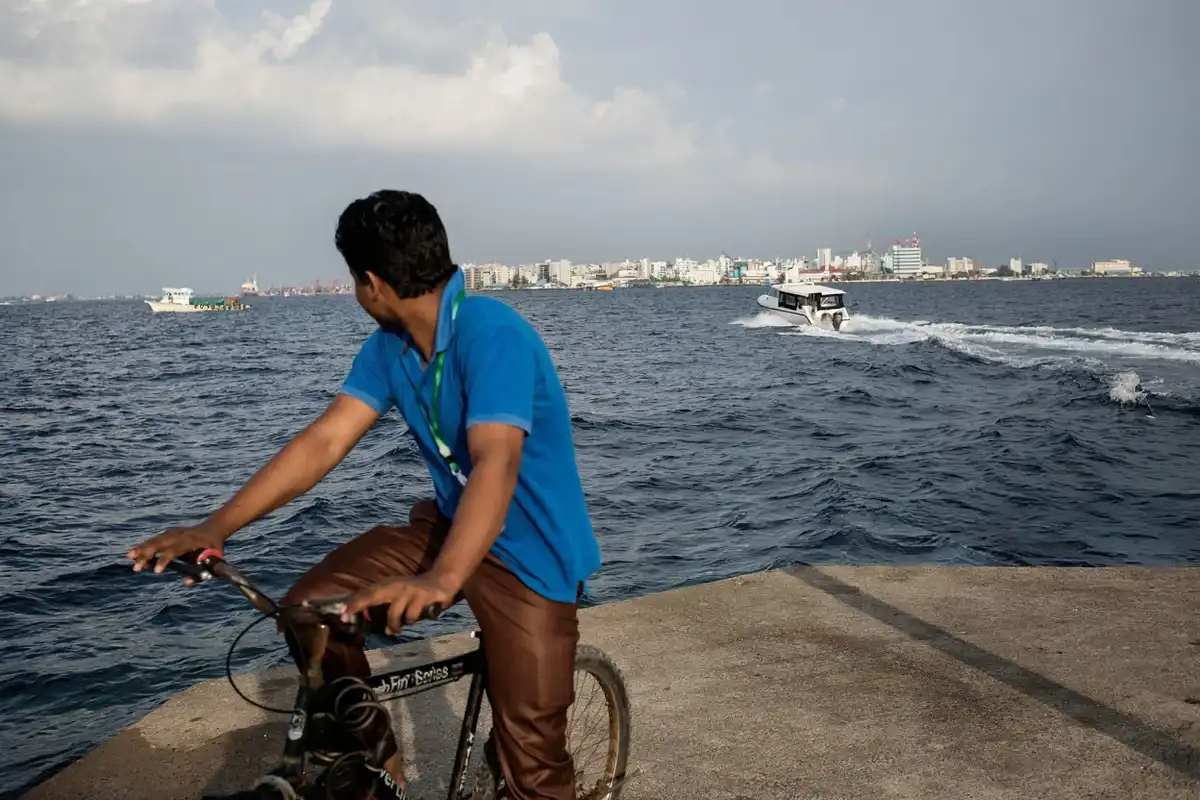
A foreign worker in Villingili gazes toward Malé while seated on a bicycle. | getty images
The health and safety of migrant workers, who are considered an integral part of Maldivian society, must be a core pillar of the country's public policies, a UN expert has stated. In a statement issued following her official visit to the Maldives, the Special Rapporteur on the right to health, Tlaleng Mofokeng, emphasized that given the significant population of migrant workers in the country, priority must be given to ensuring equitable access to healthcare services, mitigating the risks they face, and strengthening the service delivery system.
She emphasized the critical importance of ensuring access to essential medications for mental health, the treatment of chronic illnesses, and harm reduction related to substance abuse. Furthermore, she stated the necessity of increasing the number of mental health professionals and specialized nurses and doctors within primary healthcare across the Maldives, while establishing all necessary resources to provide comprehensive support.
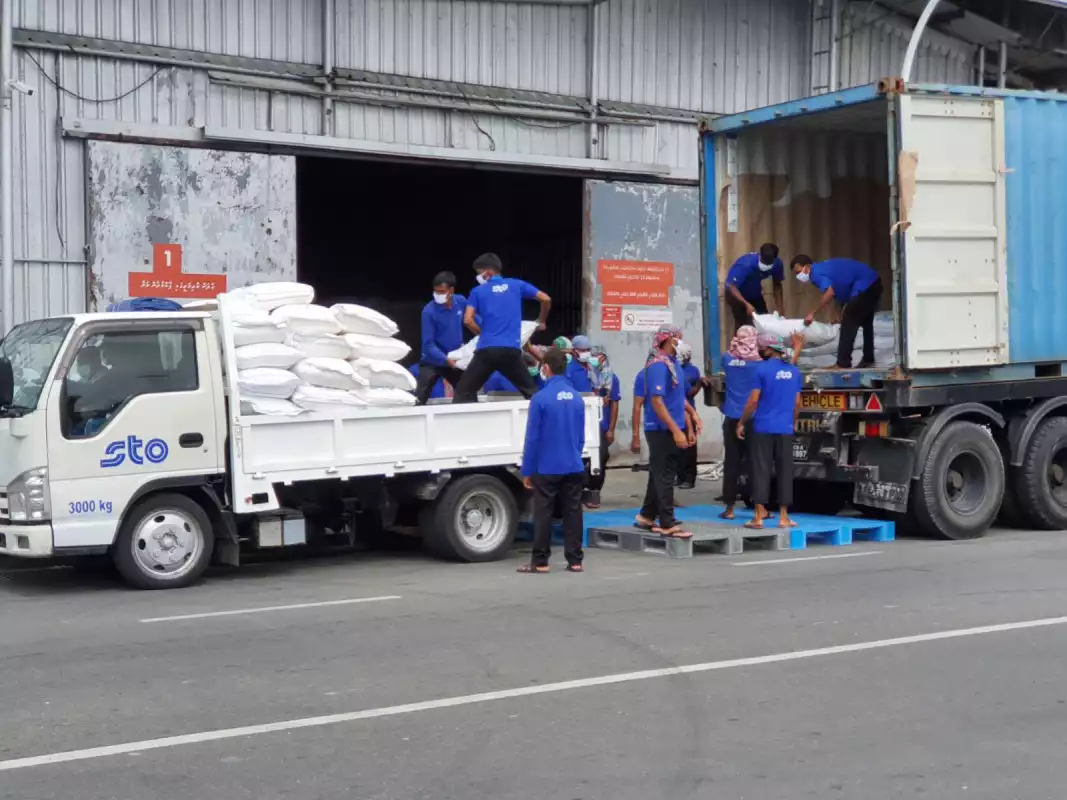
In the Maldives, the primary causes of mortality and disability have shifted from communicable diseases to non-communicable conditions, such as cardiovascular diseases, cancer, diabetes, and chronic respiratory illnesses. A UN expert noted that the joint committee established between the State Trading Organization (STO) and relevant authorities to address challenges in procuring medical equipment and pharmaceuticals is a positive step forward. Furthermore, the expert emphasized that civil society organizations are vital partners and must be given a seat at the table during the policy-making process.
Mofokeng emphasized the critical importance of ensuring full access to sexual and reproductive health rights, as well as the necessary supplies, information, and services. Furthermore, she urged the government to strengthen inter-ministerial coordination and establish a robust system for monitoring and forecasting. This call to action covers key areas such as the rights of migrant workers, mental health, dignified care for the elderly, living standards, food security, and housing.
"By establishing a multi-sectoral governance framework under a long-term vision, and by investing in primary healthcare tailored to emerging needs such as non-communicable diseases, we can build upon the Maldives' current health system to ensure its future security and sustainability," Mofokeng said.
Tlaleng Mofokeng serves as the Special Rapporteur on the right of everyone to the enjoyment of the highest attainable standard of physical and mental health. Special Rapporteurs, independent experts, and working groups are independent human rights specialists appointed by the United Nations Human Rights Council.