A presidential promise of phantom pharmaceuticals
7 މެއި 2026 | ބުރާސްފަތި 11:50Despite a massive health budget, Maldives faces a severe pharmaceutical crisis characterized by chronic shortages and a lack of accountability. State officials have admitted to a national emergency, contradicting government claims that the supply chain is under control. Current strategies include limiting prescriptions to available stock, while systemic failures in tracking and importing vital medicines continue to leave the public in a desperate state.

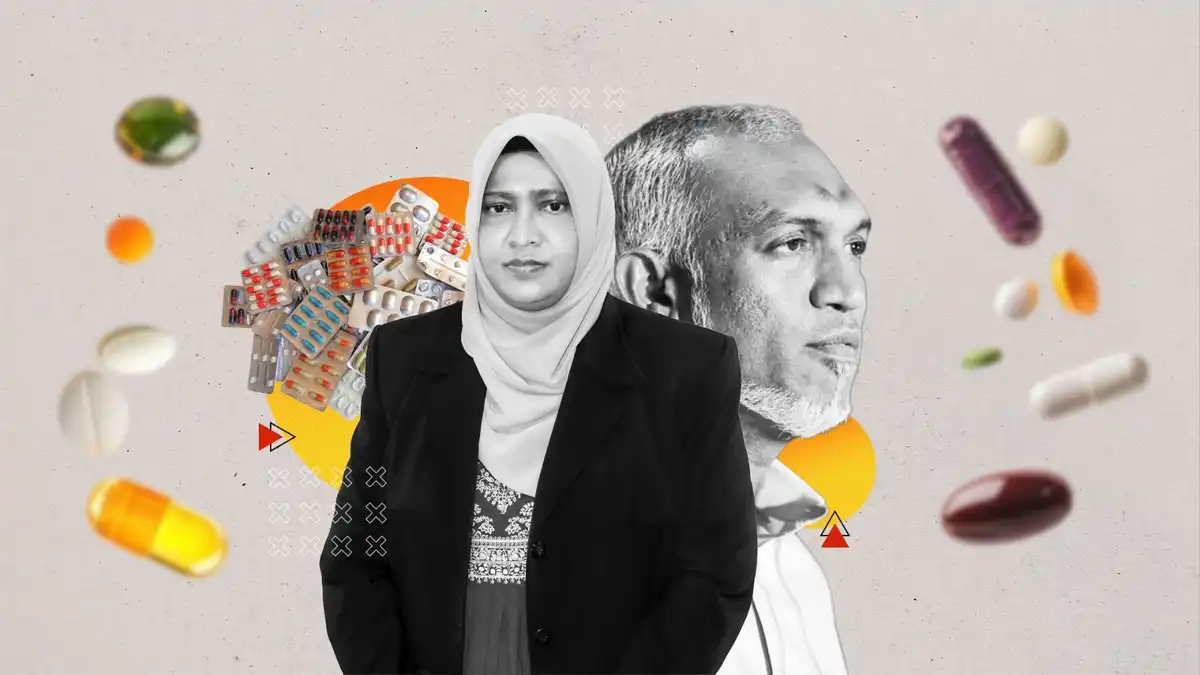
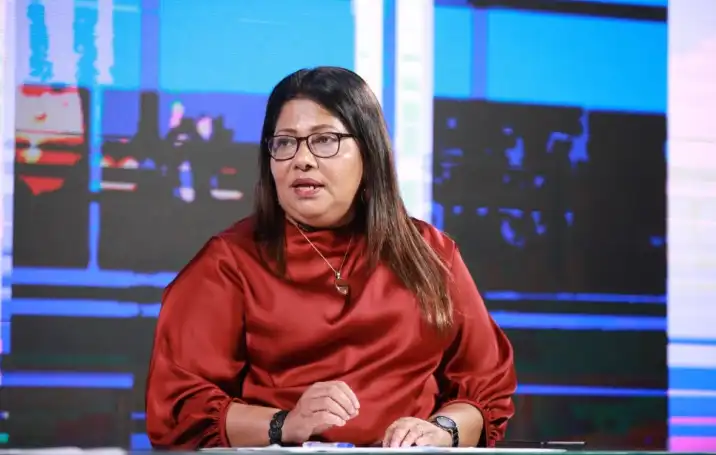
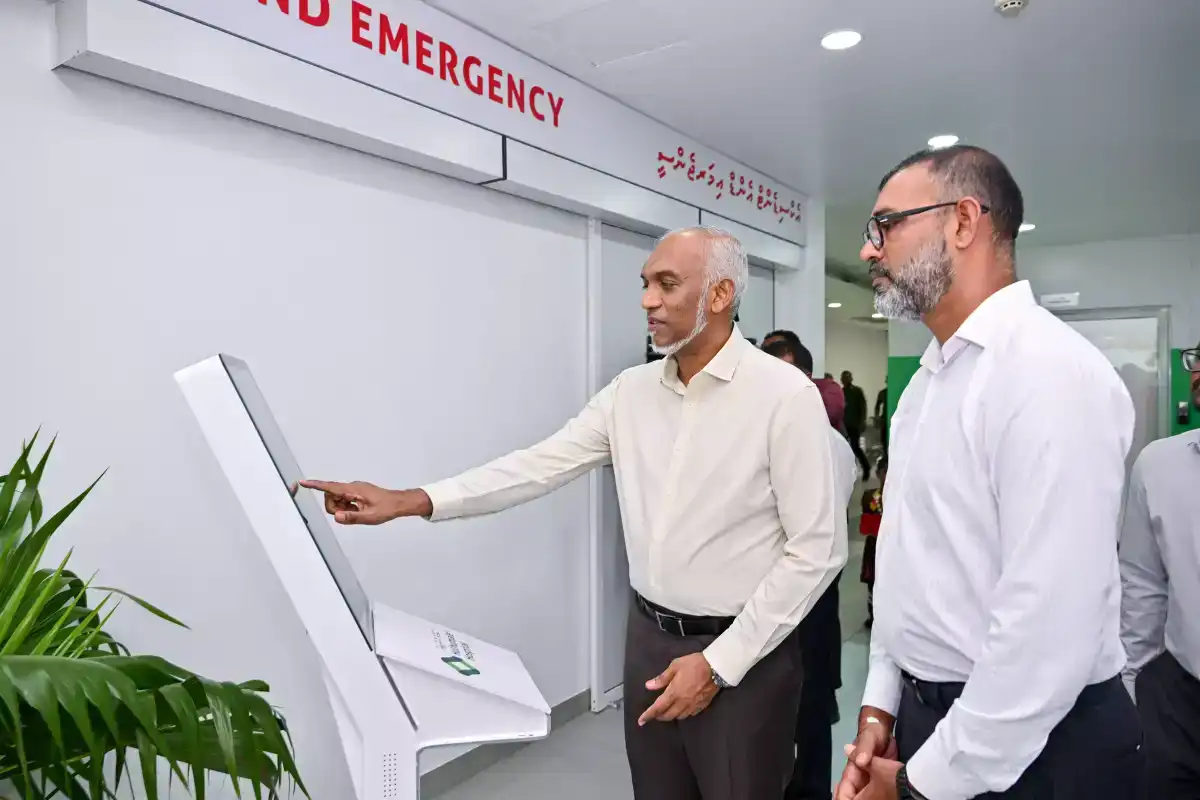
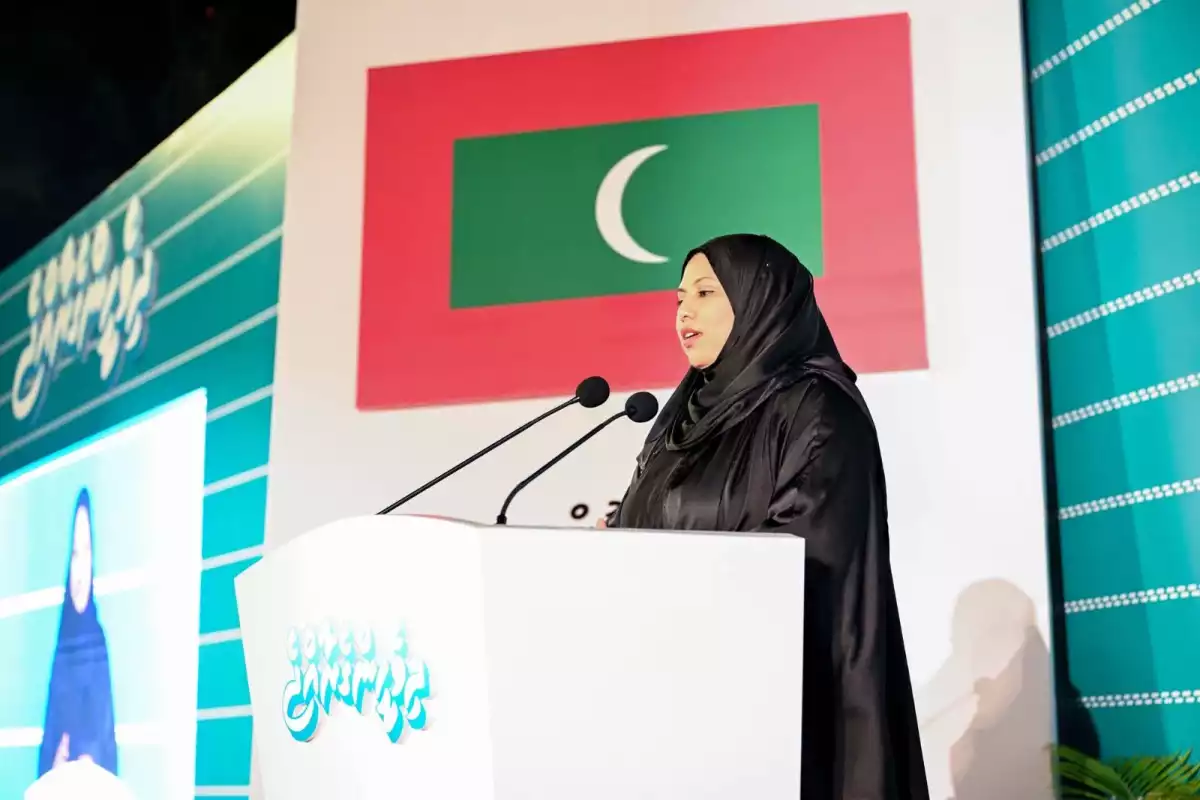
Aasandha MD Aminath Zeeniya and President Muizzu: Government admits to medicine shortages | Raajjemv graphics
During the 2026 Presidential Address, Dr. Mohamed Muizzu vowed to establish a lasting and reliable fix for the broken pharmaceutical supply chain to protect the health of the nation. For a large portion of the public, this specific promise was taken as a clear sign that the problem would never actually be fixed. This level of doubt is well-earned, as a noticeable trend has emerged where the president’s guarantees frequently lead to the reverse outcome, or where loud promises vanish while he pursues the very actions he once rejected. The current status of the president’s most important goals is so disastrous that it might be more merciful to stop talking about them entirely.
A multi-billion USD black hole
One of the fundamental pillars of this government was the pledge to make sure essential drugs were always imported and available. Even though the 2026 budget dumped a massive MVR 8.8 billion into the health sector, what the government has actually achieved remains suspiciously hidden. While the administration keeps feeding the public endless empty comfort, the former Health Minister, Abdulla Nazim, insisted last year that things were being brought under control.
Medicine by availability rather than need
Prior to stepping down recently, Nazim kept claiming the crisis was mostly solved, even hinting that the public was only complaining because they had not reached a perfect state yet. Not long after, the new Minister, Geela Ali, came up with a bizarre "magic" fix: telling doctors to only write prescriptions for items that happen to be sitting on the shelves at that moment. If the Ministry’s ultimate strategy is to limit medical treatment to whatever is left in stock, it paints a terrifying picture of the caliber of people leading our healthcare system.
A state-owned reality check
The government’s shiny PR campaign recently collided with the truth. Aminath Zeeniya, who leads the state medical welfare agency Aasandha, has openly admitted how severe the drug shortage really is, effectively tearing down the administration’s claims of improvement.
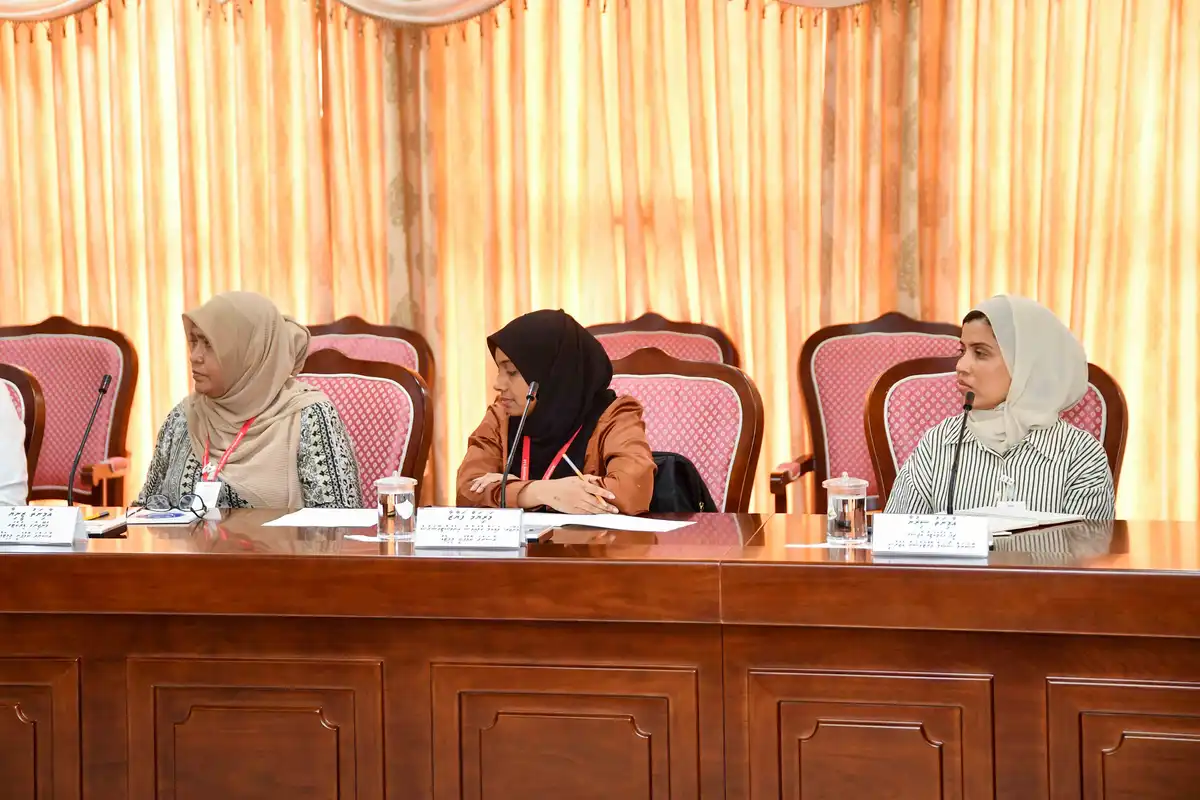
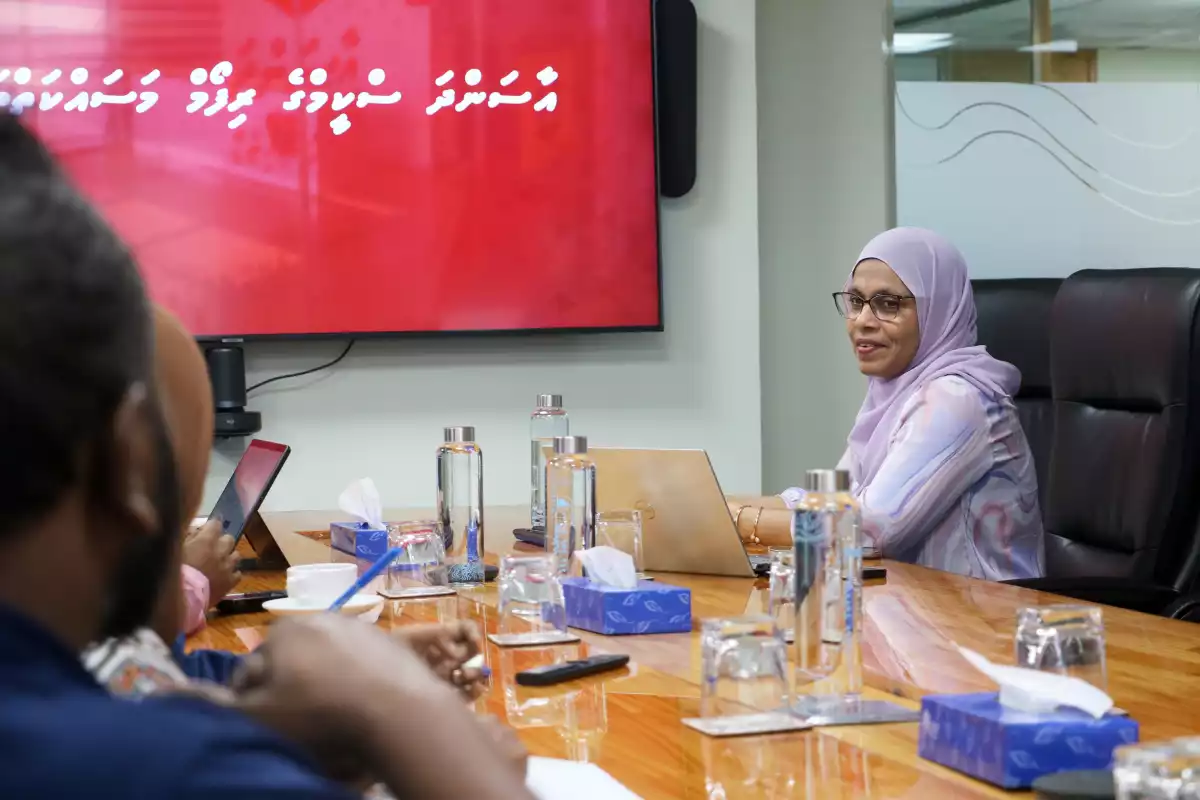
When the Parliamentary Committee on State-Owned Enterprises called in officials to explain why the public is struggling to find imported medicine, a consensus was reached that flew in the face of the official government line. Both Zeeniya and the head of the state pharmaceutical company, Dr. Shah Mahir, confessed that the scarcity has escalated into a genuine national emergency.
Chaos in the system, missing accountability
The issues go much deeper than just empty shelves. There is no functional system to track what medicine is actually in stock, a total absence of responsibility and a never-ending series of obstacles preventing the import of vital drugs. On top of that, the rules for registering new pharmacies are incredibly weak. Even with Aasandha paying for over 3,000 different types of medication at a massive expense to taxpayers, no one seems able to explain why the shortages never end.
This lone committee hearing has pulled back the curtain on a loop of lies, showing a deliberate effort by the government to keep the public in the dark. While ordinary people are reduced to begging for the medicine they need to stay alive, the "permanent solution" mentioned in the Presidential Address looks like nothing more than a sentence of endless misery for the population. If the goal was to keep the people desperate, then the president has certainly kept his word.