Parliament rejects motion calling for government support to tourism businesses affected by war
5 މެއި 2026 | އަންގާރަ 07:17A motion has been submitted to Parliament calling for financial relief and support for businesses to mitigate the economic challenges facing the Maldivian tourism sector due to the conflict in the Middle East. Highlighting a 21 percent decline in tourist arrivals, the motion proposes measures similar to those implemented during the COVID-19 pandemic, including loan moratoriums and concessions on taxes and rent payments. Citing Asian Development Bank (ADB) statistics, the motion further warns that rising fuel prices caused by the war are expected to significantly slow the Maldives' economic growth in the coming years.

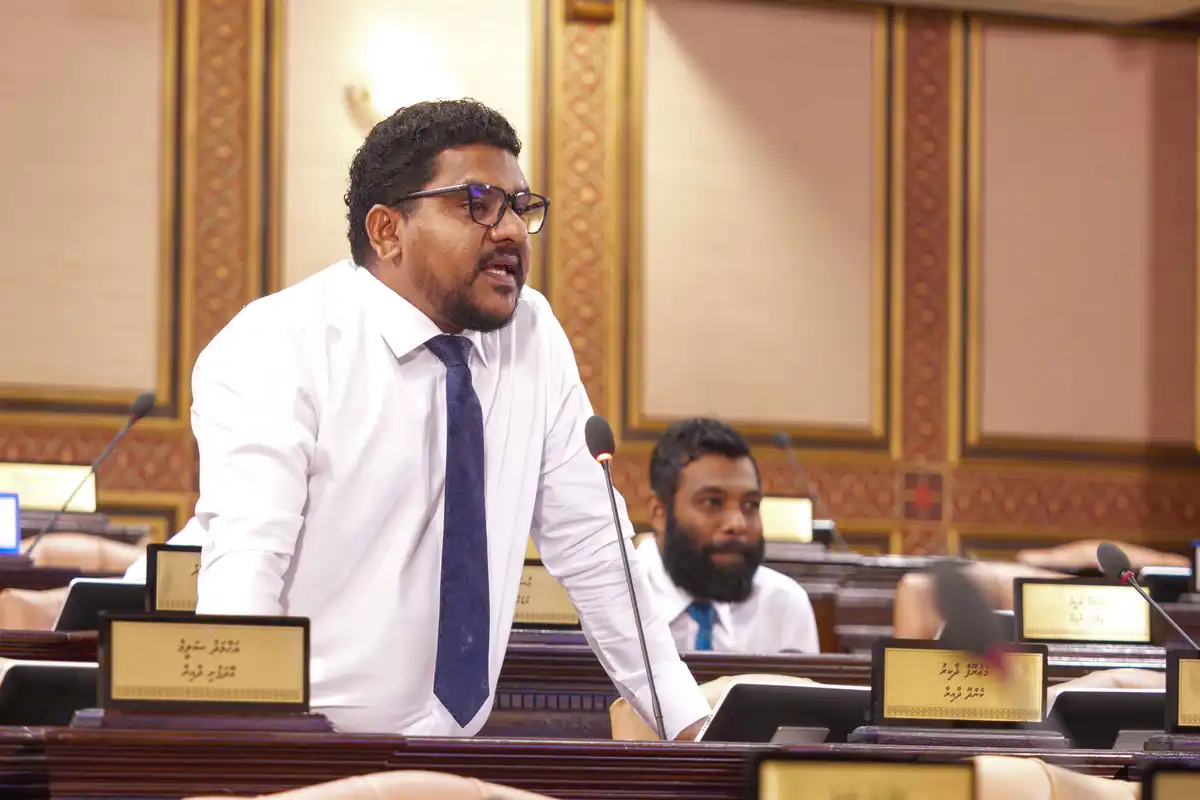
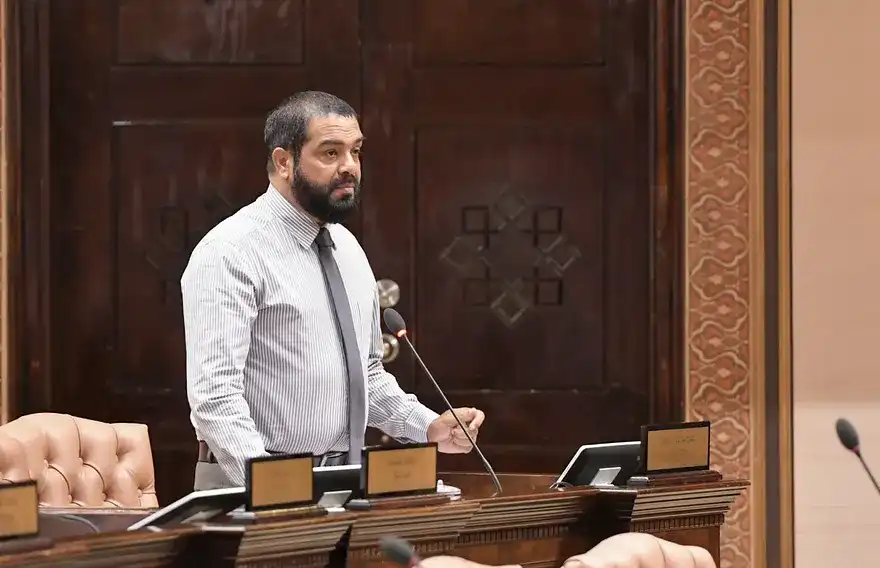
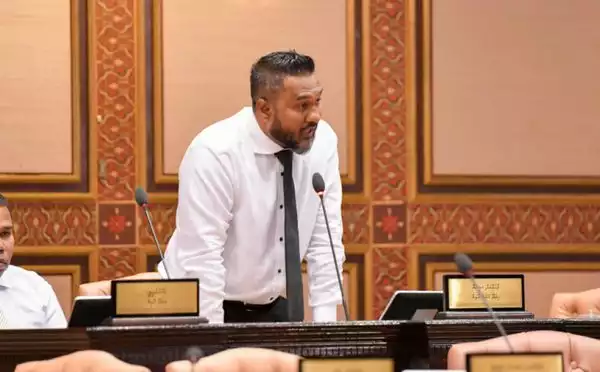
Mauroof Zakir, Member of Parliament for the Kendhoo constituency. | People's Majlis
The Parliament has rejected a motion calling for a debate on potential government measures to support Maldivian tourism businesses affected by the ongoing conflict in the Middle East.
The Parliament on Tuesday rejected an emergency motion submitted by Kendhoo MP Mauroof Zakir, with a majority of 33 members voting against it. Only eight members voted in favor of accepting the motion for debate.
The motion highlighted that the ongoing conflict poses a greater economic threat to the Maldives than a direct military one. It further noted that disruptions to travel routes connecting Europe and the Maldives have slowed the momentum of the tourism industry—the nation's primary economic engine. This decline in tourist arrivals has consequently led to a reduction in revenue for tourism-related businesses.
In the motion submitted by MP Mauroof, it was highlighted that according to Ministry of Tourism statistics, daily tourist arrivals have dropped from 7,000 to between 4,000 and 5,000 due to the conflict in the Middle East. This decline, driven by approximately 2,000 daily booking cancellations, represents a 21 percent decrease in tourist arrivals.
The motion highlighted that the decline in tourist arrivals has led to financial difficulties for resorts and guesthouses. It further noted that this downturn is negatively impacting revenue from tourism services and service charges, resulting in significant challenges for employees within the industry.
Furthermore, the motion highlighted projections from the Asian Development Bank (ADB) indicating that the Maldives' economic growth is expected to slow to 1 percent in 2026, following a 5.4 percent growth rate in 2025. This downturn is attributed to rising fuel prices driven by global conflicts and the subsequent adverse impacts on the tourism industry.
The member emphasized that if the current situation persists, it is vital for the government to provide concessions to tourism-dependent businesses to avert permanent economic damage. He specifically highlighted the urgent need for measures within the state's jurisdiction to support and improve the cash flow of these enterprises.
The motion stated that just as the government provided economic relief during the COVID-19 pandemic, the time has come for the administration to extend similar support to safeguard the Maldives' tourism industry from the current economic downturn.
The matter also highlighted potential measures the government could implement to provide necessary assistance.
Implementing a working capital loan scheme or introducing an income support allowance to provide the financial assistance necessary for businesses to sustain operations and meet payroll obligations.
Implementing a mechanism such as an interest-free loan moratorium would allow the tourism sector and small-to-medium enterprises (SMEs) to suspend principal repayments for a period of six months. Following this, interest rates could be reintroduced gradually, ensuring government support to alleviate the financial burden on businesses without overwhelming the state budget.
Arrangements will be made to ensure that concessional loans through institutions such as the Bank of Maldives are accessible more quickly and easily than at present. These measures will include extended repayment periods and the establishment of a grace period ranging from one to two years.
Introduce targeted utility subsidies for businesses within the tourism industry to provide relief on electricity and fuel costs.
- Temporary reduction of resort land rents, airport charges, and licensing fees.
- Deferment of key tax payments, including Tourism GST and Corporate Income Tax, for a specified period.
While presenting the issue, the member stated that government assistance is crucial to help businesses within the Maldives' tourism industry overcome the challenges faced due to the ongoing war.