Bondaa labels President Muizzu a "leader with hypocritical traits"
28 އެޕްރީލު 2026 | އަންގާރަ 13:03Former Member of Parliament for Central Maafannu, Ibrahim Rasheed, has highlighted growing public concern over skyrocketing electricity bills and systemic failures within utility companies. Criticizing the government's handling of the situation, Rasheed noted that citizens are falling into debt amid a declining economy and a struggling fisheries industry, while deteriorating sanitation in islands has led to the spread of diseases. He further alleged that state institutions are failing to adequately monitor the billing practices of government-owned utility providers.
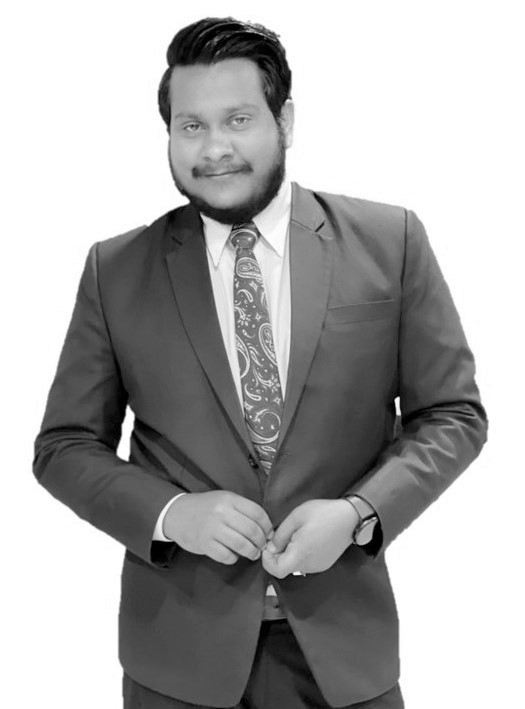
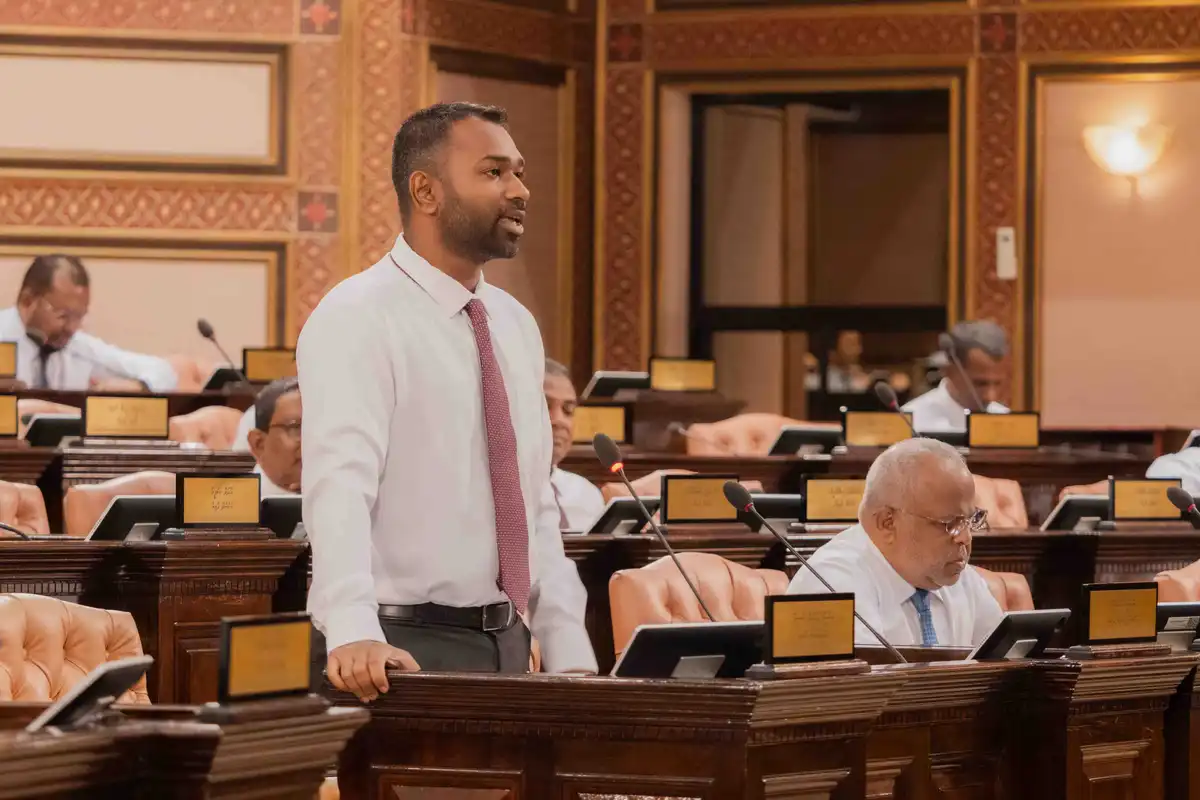
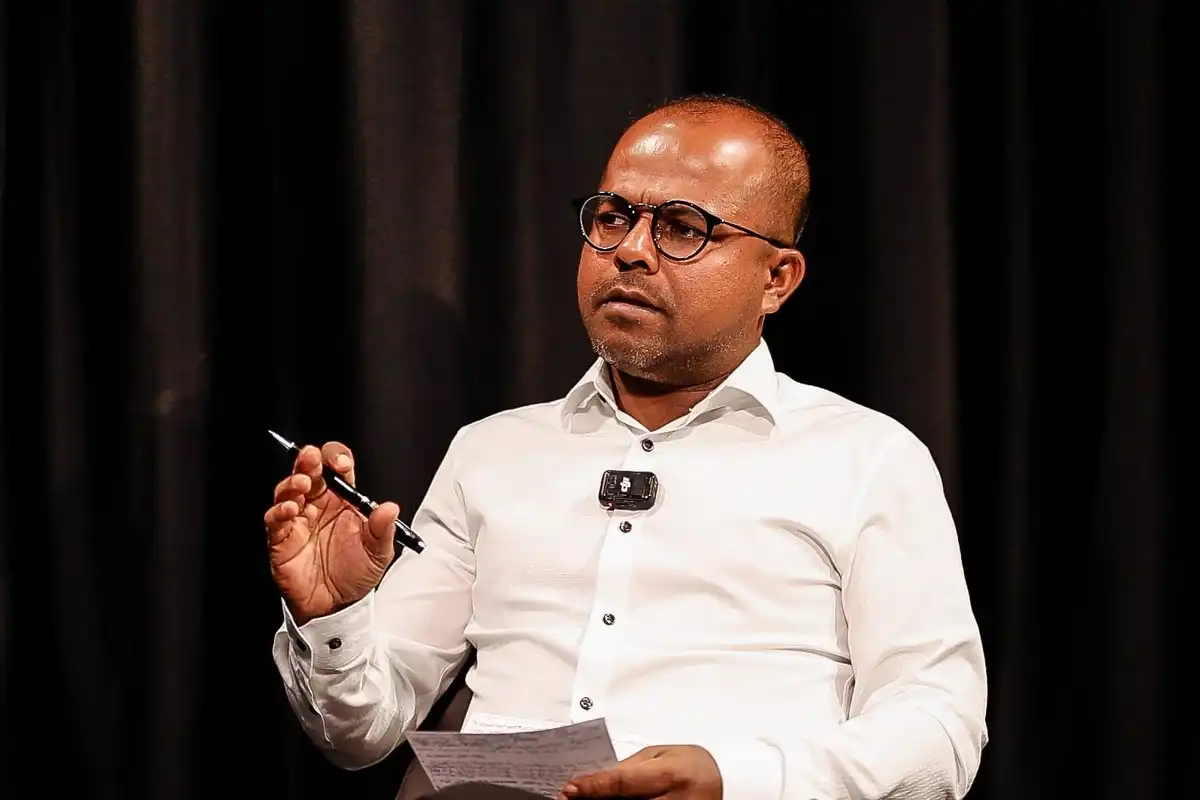
Ibrahim Rasheed (Bondaa), the former Member of Parliament for the Central Maafannu constituency. | Raajje MV
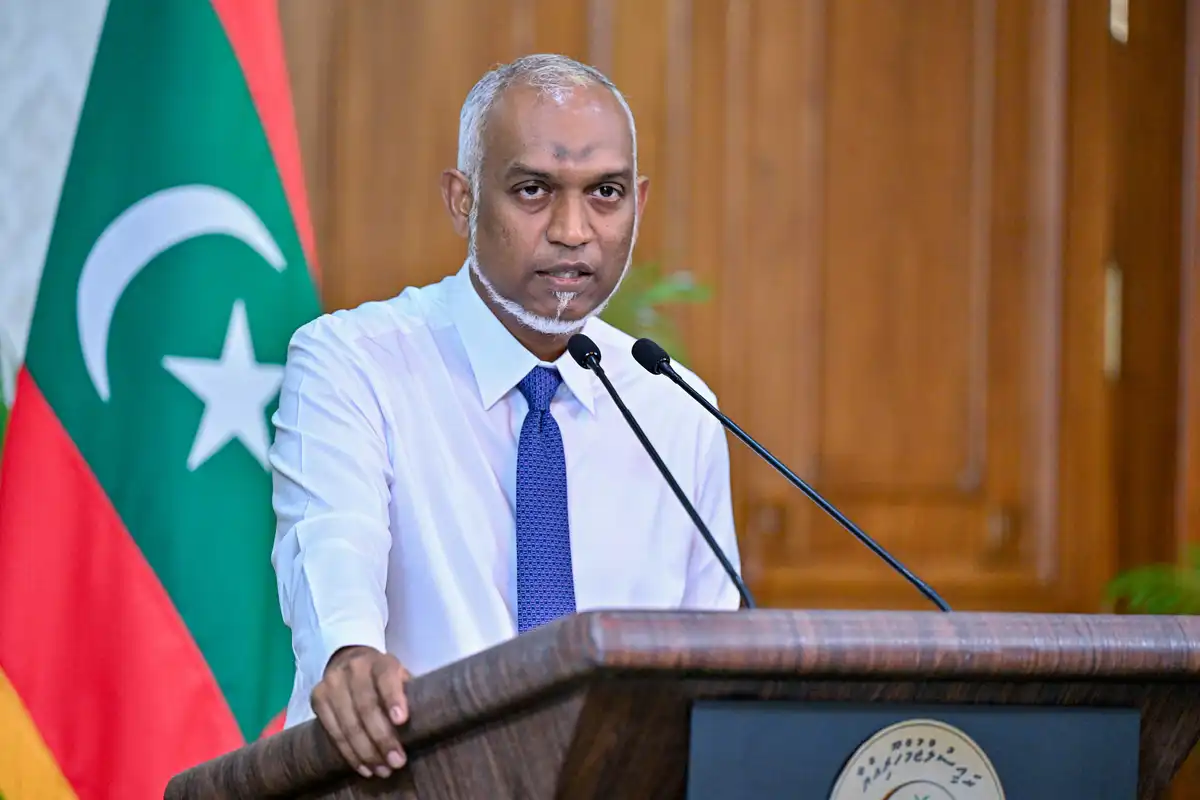
Former Member of Parliament for Central Maafannu, Ibrahim Rasheed (Bonda), has criticized President Dr. Mohamed Muizzu, stating that his actions are detrimental to the public and labeling him a leader who exhibits "hypocritical traits."
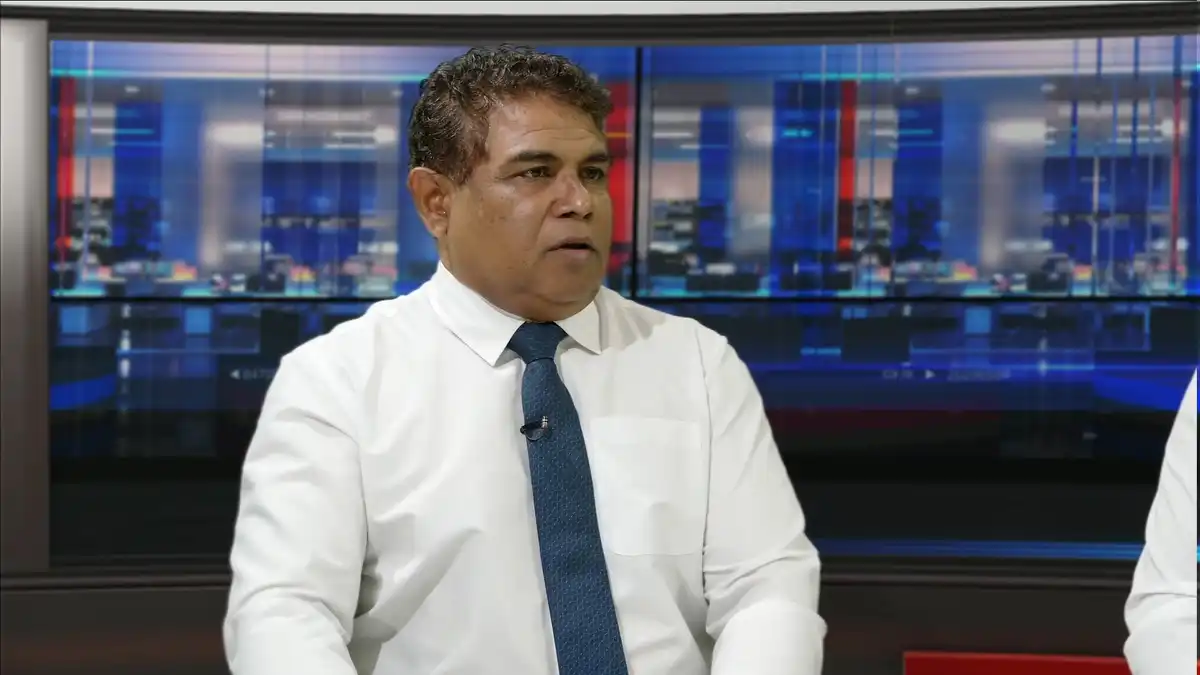
Speaking on Raajje TV’s "Fala Suruhee" program, former Member of Parliament for Central Maafannu constituency, Ibrahim Rasheed (Bondaa), heavily criticized the policies of President Dr. Mohamed Muizzu. Rasheed noted that the President’s current stance on electricity billing contradicts the rhetoric he maintained during his tenure as the Mayor of Male' City. He asserted that after assuming the presidency, Dr. Muizzu has acted in direct opposition to his previous pledges. Rasheed further characterized the President as a leader who speaks with "two mouths," accusing him of displaying traits of hypocrisy.
Speaking on the issue of rising electricity bills, Bondaa stated that during his tenure as Mayor, Muizzu had asserted that citizens should not have to bear the burden of high utility costs and that the government should settle those bills instead. However, he alleged that despite now holding the nation's highest office, the President is deceiving the public with further lies rather than having the government cover the costs as previously advocated. He further noted that new falsehoods are being fabricated with an eye toward the 2028 elections.
Regarding the current discourse on electricity bills, if we are to follow his previous logic, shouldn't the government be paying them now? Back then, Muizzu claimed that citizens could no longer afford these high bills and that the government must bear the cost. Since he is now in power, shouldn't the government be settling all those bills? These were merely the narratives he spun while serving as the Mayor of Male' City Council to further his own interests. Now, looking toward 2028, he is simply peddling another set of lies.Ibrahim Rasheed (Bondaa), the former Member of Parliament for the Central Maafannu constituency.
Emphasizing that the public must have confidence in the governance system, Ibrahim Rasheed stated that utility companies are currently conducting electricity readings at their own discretion. He noted that citizens would recall the estimated bills issued during the COVID-19 pandemic and asserted that there is currently no assurance for the public that STELCO and Fenaka are billing accurately. He further pointed out that while other countries employ inspectors to monitor such services, Maldivian institutions—including the Utility Regulatory Authority and the Consumer Ombudsman—are failing to oversee these matters effectively.
Speaking on the Maldives' economic situation, Ibrahim Rasheed stated that the fisheries sector has declined, leaving the public deeply burdened by debt. He noted that many fishing vessels remain docked because the government has recruited fishermen into state-owned enterprises, preventing them from going out to sea. This shift, he explained, has brought local island businesses to a standstill. He further reminded that the fisheries industry is the primary source of US dollar inflows into the country. Even during the COVID-19 pandemic, when tourism came to a halt, it was the foreign currency generated by the fishing industry that sustained the nation's economy, he added.
Living conditions have become dire due to extreme debt, all because the fishing industry has collapsed. Everyone who should be out at sea fishing is instead being forced into corporate employment. Fishing vessels are left idle in the lagoons. Local corner shops and island businesses are failing; when there is no commerce on an island, it means the community has nothing. It is not just tourism that brings dollars into the government’s coffers. The fishing industry is a primary source of foreign currency. It is Maldivians who export yellowfin tuna. It is Maldivian companies that export skipjack tuna and reef fish. All of this generates US dollars. During the COVID-19 pandemic, were there any tourists in the Maldives? No. Yet, the country still had dollars because the LD3 containers in the cargo holds of flights were packed to capacity with fish. At that time, there was more fish being transported than there were passengers.Ibrahim Rasheed (Bondaa), the former Member of Parliament for the Central Maafannu constituency.
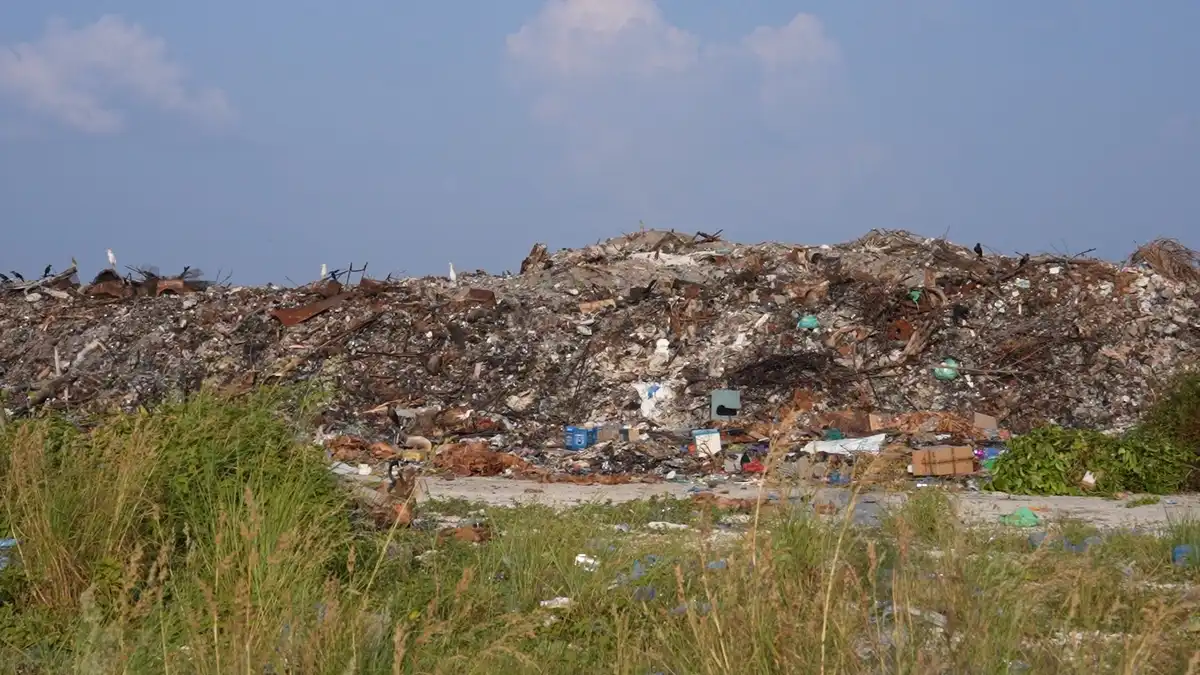
Furthermore, he criticized the government over the deteriorating cleanliness of the islands and the resulting spread of diseases. Describing the current administration as a "filthy government," Ibrahim Rasheed stated that even in major tourism hubs like Fuvahmulah and Maafushi, waste management has failed, leading to an uncontrollable surge in flies and mosquitoes. He expressed deep concern over the situation, noting that this has led to the spread of illnesses and is further worsening the living conditions of the citizens.