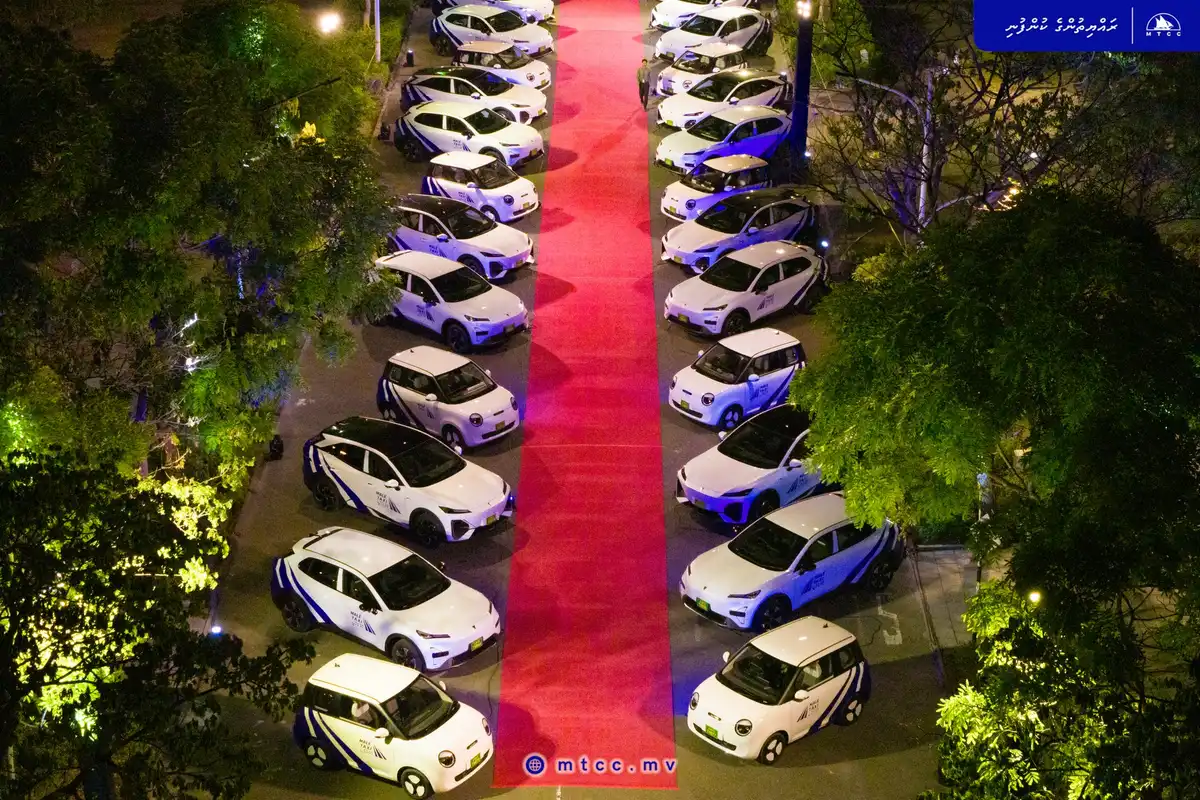
MVR 13m ghost: MTCC’s masterclass in burning public cash
15 އެޕްރީލު 2026 | ބުދަ 11:07MTCC is facing allegations of major procurement violations after awarding an MVR 13 million taxi app contract to an inexperienced firm that specialized in security cameras. Despite internal experts offering to build the platform in-house, management bypassed formal evaluation committees and board approval to pay MVR 4.5 million for a non-functional product. The company further ignored internal controls by offering free services to cover the failed launch of the aid-funded project.

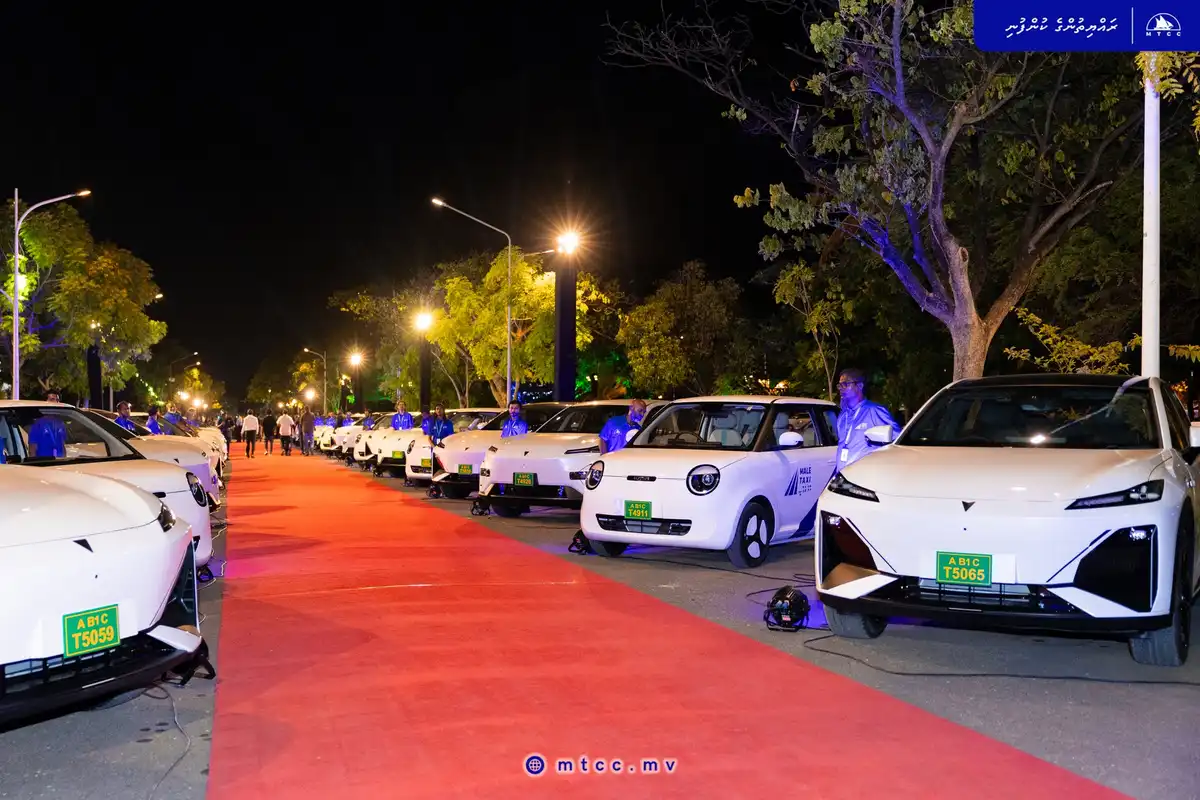
MTCC's Taxi Line commenced operations on April 3, 2026. | President's Office | MTCC
MTCC usually pretends to care about rules, especially since their long-standing policies dictate that even budgeted capital assets under MVR 15 million need a rigorous vetting process. Standard procedure requires a division to hand over a detailed feasibility study to the "Investment Review Committee," which is supposed to figure out if an investment is actually smart or just a financial suicide mission before whispering recommendations to the CEO. However, sources have confirmed that the MVR 13 million contract for a new taxi app skipped these pesky procedural requirements entirely. The project moved forward without a single feasibility paper reaching the Board and without a shred of Board authorization.
The committee of unknowns
Procurement at MTCC is theoretically simple: use a Purchase Order or a formal tender. If you go the tender route, an odd-numbered Tender Evaluation Committee is mandated to judge the proposals. Yet, the taxi app evaluation was handled by a group that didn't fit the policy’s description at all. Nobody seems to know who authorized this mystery committee to take over. To make matters worse, since the MVR 13 million project was technical, MTCC’s protocol suggests forming a technical subcommittee to advise the main committee. Naturally, this step was also ignored, leaving the decision-making to those without the necessary expertise.
From security cameras to software giants
The vetting process gets even more laughable when you look at the winner. Invitations to bid are strictly reserved for those on MTCC’s supplier registry, yet the company handed MVR 13 million had never done business with MTCC before. They weren't on the registry when the invitation was sent and they had zero experience in specialized app development. Their resume consisted of installing security cameras and running network cables, yet they were somehow handpicked to build a complex transport platform.
Millions paid for a blank screen
Despite the app being a total non-starter and completely non-functional, MTCC has already handed over MVR 4.5 million to the contractor. This financial hemorrhaging is even more insulting considering the ICT Division actually offered to build the app in-house. Integrating the taxi service into the existing Raajje Transport Link (RTL) app would have been seamless and utilized internal developers. Instead, management chose to pay an external party for a redundant, broken product.
Foreign aid and freebies
The project is fueled by foreign aid and it seems senior officials who lack the experience to run an organization of this scale, wrongly assumed aid money is a "get out of jail free" card for internal controls. Regardless of its origin, this is public money that requires accountability. Further, as a public limited company, MTCC cannot just give away services for free without Board approval. When the overpriced app failed to work at launch, management decided to offer the taxi service for free as a desperate backup plan. They did this without a Board decision or even a circular resolution, proving that at MTCC, following the rules is apparently strictly optional.