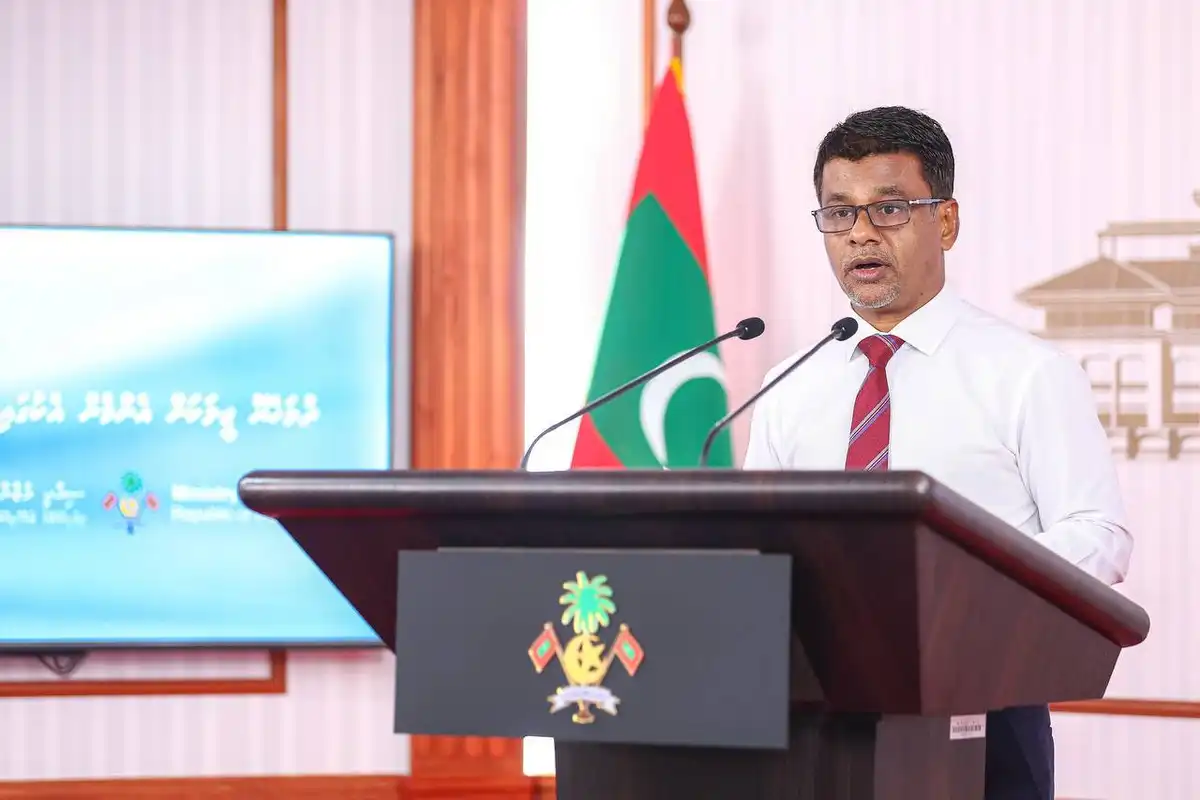
"Malé-knows-best" cure: is your local clinic just a paperweight without the president?
12 އެޕްރީލު 2026 | އާދީއްތަ 10:10The Health Ministry is centralizing the medical system by shifting administrative control of regional facilities directly to the central government in Male. Minister Abdulla Nazim Ibrahim argues that this micro-management will fix systemic failures, yet critics warn that stripping local autonomy does not address critical shortages of staff and medicine. Ultimately, these organizational changes may prove to be hollow gestures that fail to improve the grim reality of patient care.

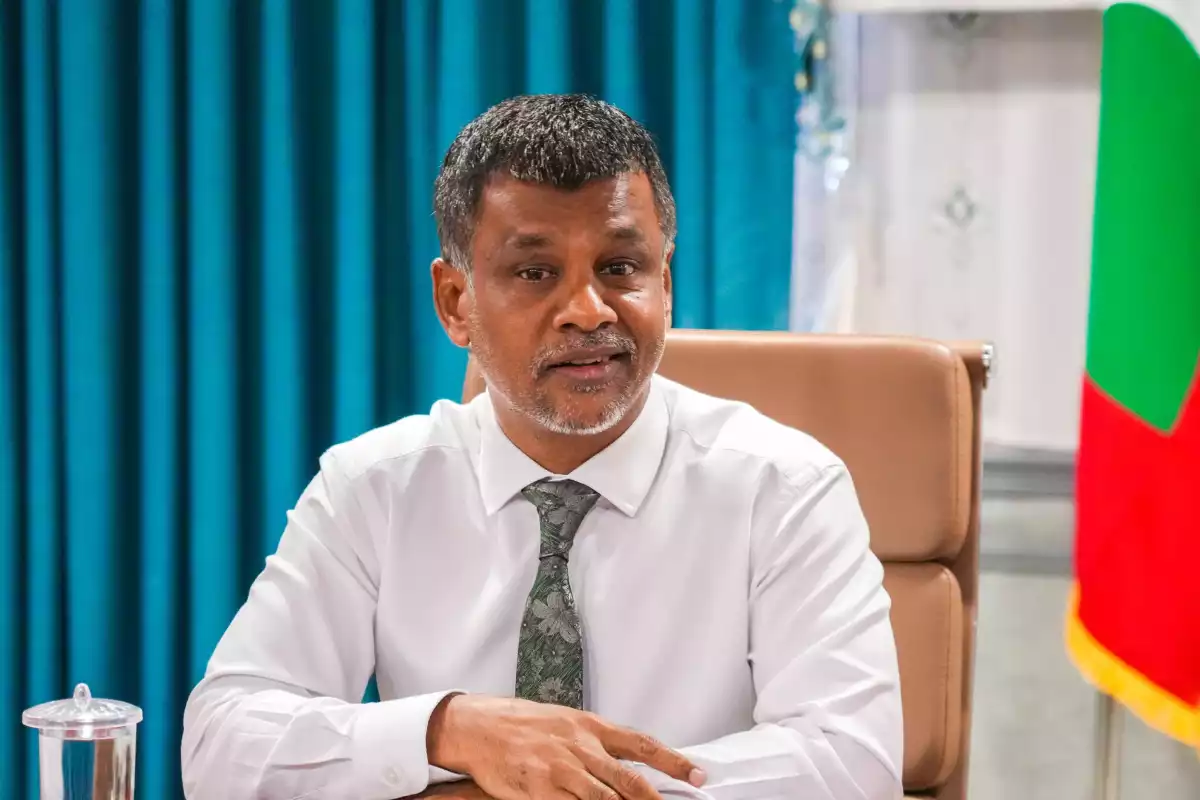
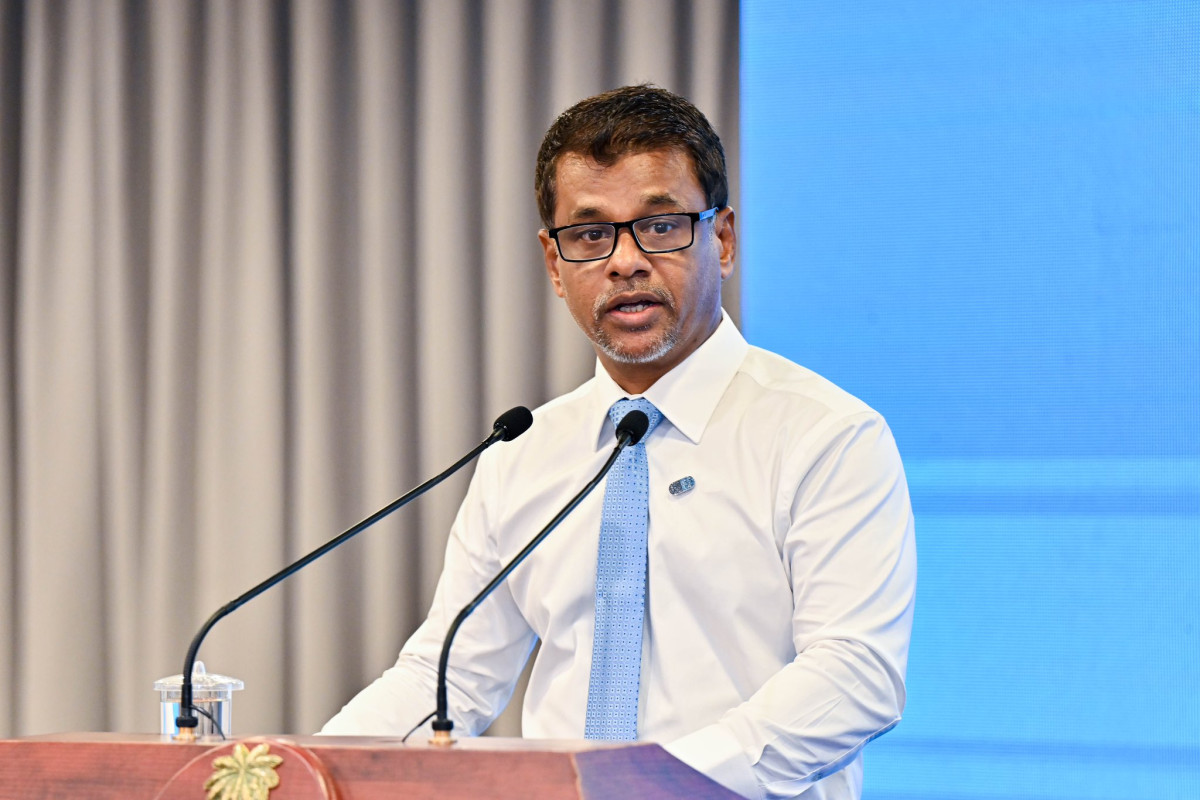
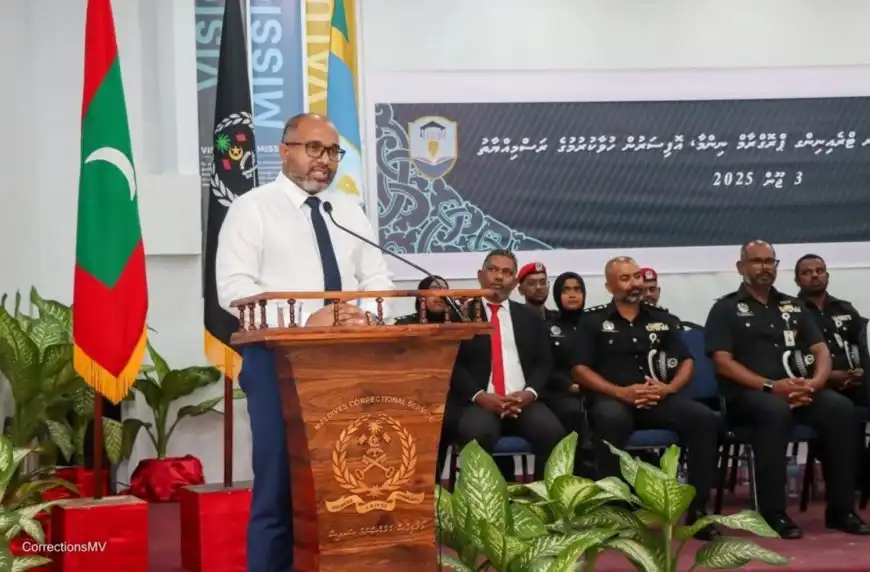
Health Minister Abdullah Nazim. | Health Ministry | Health Ministry
The stench of failure in our medical sector isn't exactly a fresh scent, but lately, the rot has become unbearable. We aren't just talking about long wait times; we’re talking about the horrifying reality of infants dying from substandard care and pregnant women in dire straits being denied emergency transfers to the capital. From patients being ghosted by absent doctors to a systemic collapse that leaves the vulnerable stranded, the public is rightfully hunting for a scapegoat. The question of who is actually steering this sinking ship has never been more urgent.
The ministry’s magic trick: centralize everything
In a move that screams "a system of government is the answer," the government has decided that the only way to fix a broken hospital is to tether it to a desk in the capital. Health Minister Abdulla Nazim Ibrahim is peddling the idea that the previous chaos was simply because rural clinics weren't clinging tightly enough to the Health Ministry’s apron strings. His grand solution involves a total administrative takeover, shifting regional facilities directly into the ministry’s hands and shaking up the management structure for good measure.
Micro-management as a medical miracle
The minister is boasting about a new era where regional health centers don't just answer to the Health Ministry, but operate in lockstep with the central government itself. It’s a masterclass in micro-management, ensuring that the heavy hand of leadership in Malé City can poke its fingers into even the most basic daily tasks. Apparently, the definitive cure for a failing system is ensuring that every decision, from hiring a nurse to buying an ambulance or coordinating a sea transfer, has to pass through a central filter first.
No direct line, no service
According to the minister’s logic, the budget won't flow and wheels won't turn unless there is a dedicated desk within the central government overseeing it. The administration seems convinced that the healthcare system’s fragility was merely a symptom of not being cozy enough with the President’s Office. In this new world order, regional autonomy is dead; every training session and every permit now requires a green light from the central authorities. Local facilities have been reduced to mere puppets, waiting for Malé to pull the strings before they can even think about serving the public.
A shiny new connection for the same old problems
Despite this obsession with centralizing power, the reality on the ground remains stubbornly grim. Connecting a regional clinic to the President's Office doesn't magically stock the shelves with essential medicine or provide basic care for the chronically ill in the atolls. The public is still drowning in backlogs for basic diagnostics like CT scans and X-rays, while the drought of doctors and nurses continues.
An overwhelmed system and negligent care won't be cured by a new organizational chart. Until the fundamental rot is addressed, this political integration is nothing more than a hollow gesture that offers zero relief to the citizens actually suffering.