If government wins referendum, President Muizzu's term will be extended: Dr. Jameel
28 މާރިޗު 2026 | ހޮނިހިރު 10:40Former Vice President Dr. Mohamed Jameel Ahmed has urged the public to vote "no" in the upcoming constitutional referendum, characterizing it as a government attempt to consolidate power. Expressing concern over the potential erosion of democratic checks and balances, Jameel criticized the silence of independent institutions regarding the alleged misuse of state resources, asserting that such inaction undermines the fairness of the electoral process.

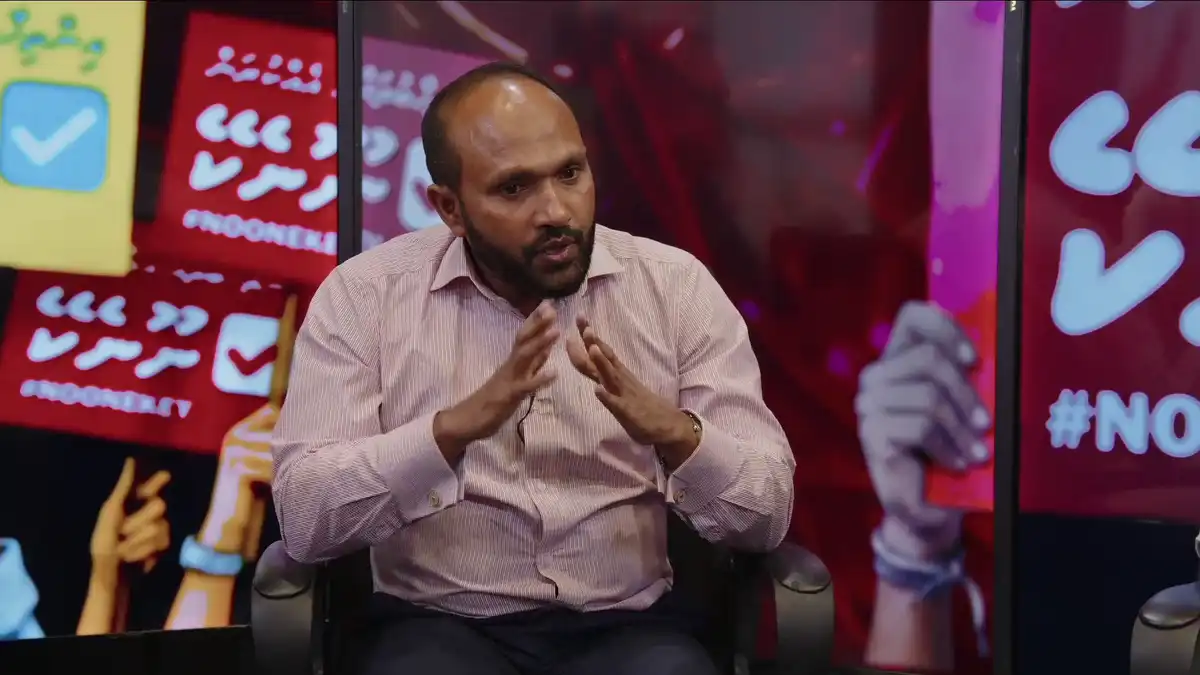
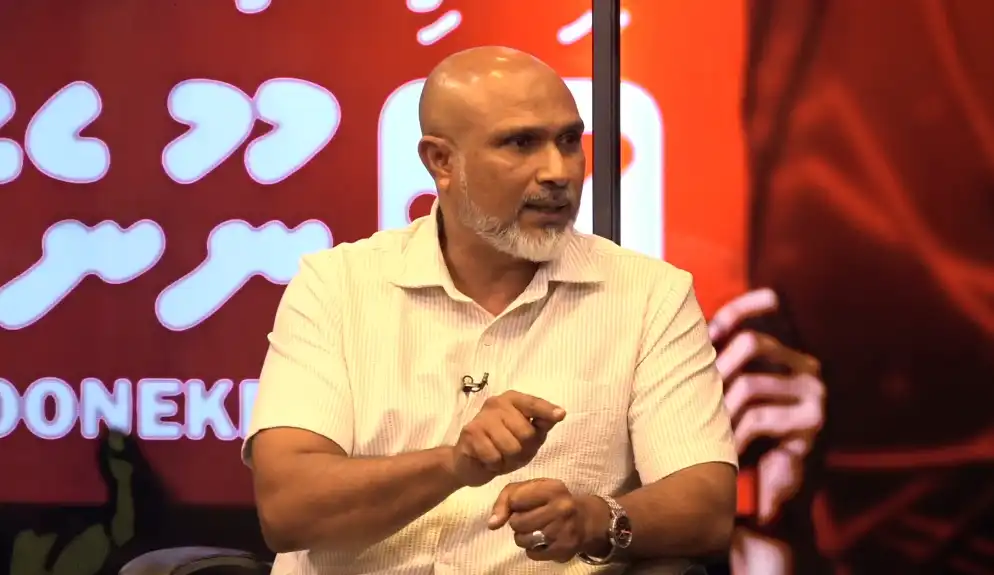
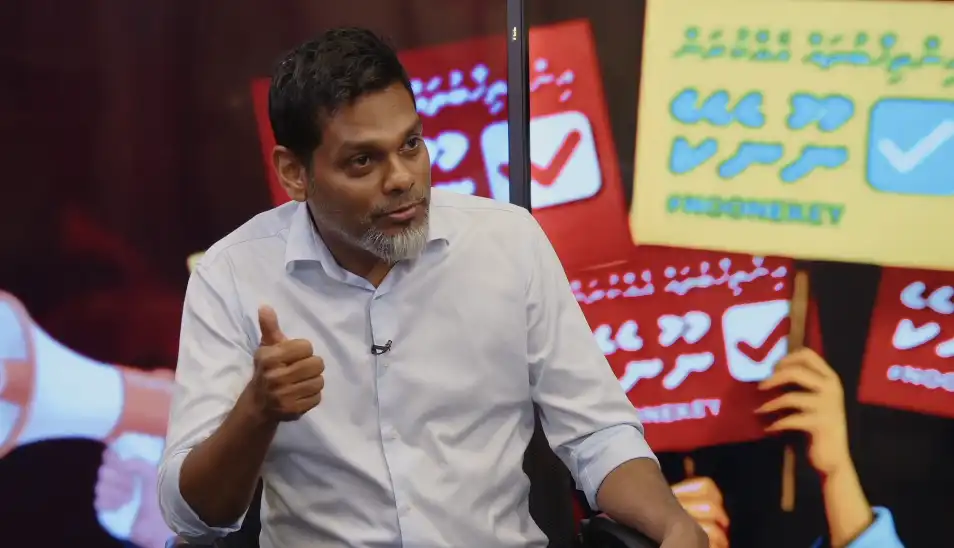
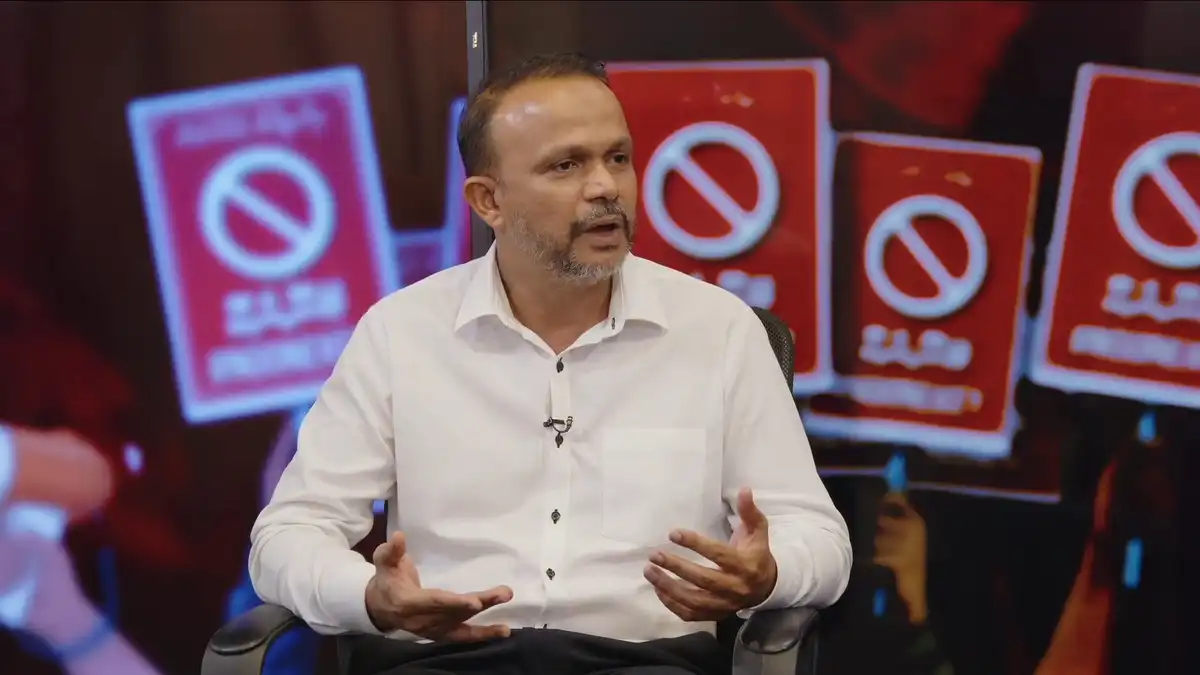
Former Vice President of the Maldives, Dr. Mohamed Jameel Ahmed, speaks during RaajjeTV's "Noonekey" (Say No) campaign program. | RaajjeMV | Raajje MV
Former Vice President Dr. Mohamed Jameel Ahmed has stated that if the outcome of the constitutional referendum scheduled for April 4 aligns with the government's objectives, President Dr. Mohamed Muizzu will extend his presidential term and sideline political rivals from future elections.
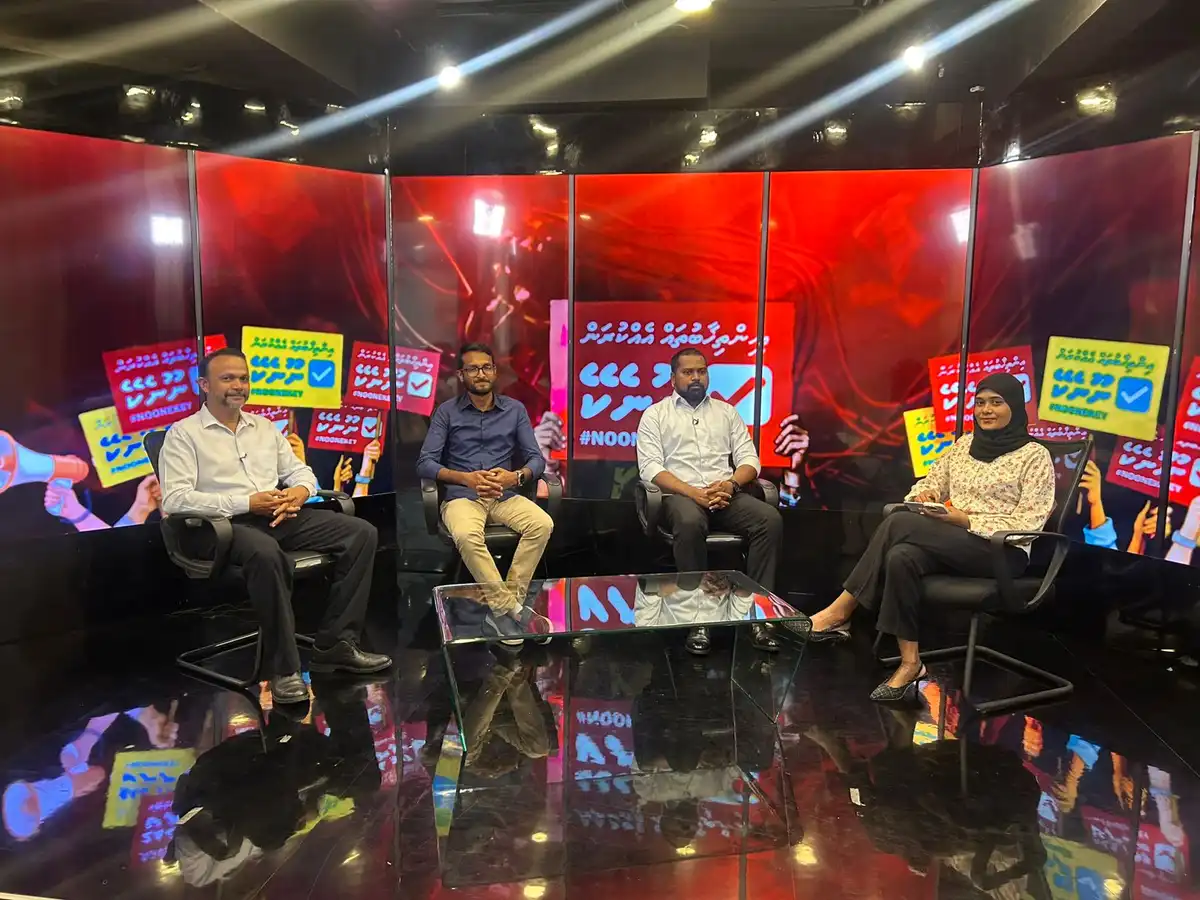
Speaking on Raajje TV’s "Noonekey" campaign program, Dr. Jameel outlined several key reasons why the public must reject the government's referendum, characterizing the move as a deceptive maneuver.
Jameel stated that the current Constitution of the Maldives was established specifically to limit the powers of the President, which were previously seen as excessive. However, he noted that the changes introduced by President Muizzu thus far indicate a clear move toward consolidating power within his own hands.
In this regard, Jameel highlighted that the administration has seized the powers of the People’s Majlis, undermined the authority of local councils, and abolished atoll councils. Furthermore, he accused President Muizzu of influencing the judiciary by appointing judges aligned with his interests.
First and foremost, it is important to remember that the current Constitution was established specifically to address the concerns regarding the excessive concentration of power within the presidency and to implement necessary checks and balances. However, if we examine the changes introduced by President Muizzu thus far, his actions tell a different story. For instance, he has effectively seized control over the People’s Majlis, demonstrating a clear pattern of consolidating power. Furthermore, we have witnessed the systematic dismantling of the local governance system, with powers being stripped away and Atoll Councils essentially abolished. Simultaneously, we are seeing similar influence being exerted over the judiciary, where the administration is appointing preferred judges to align the legal system with its interests.Former Vice President of the Maldives, Dr. Mohamed Jameel Ahmed.
Jameel expressed concern over President Muizzu’s alleged misuse of state resources to secure election victory, asserting that the silence of the Anti-Corruption Commission (ACC) and the Elections Commission undermines the fairness and integrity of the entire electoral process.
We must not forget the government's conduct throughout this election process up to this point. Every citizen of the Maldives is a witness to this. While the government exerts its full influence through illicit means, the Elections Commission and the Anti-Corruption Commission remain silent. This is a legal offense. When the entire government and members of Parliament are misusing state resources to distribute jobs, money, and various incentives, we must ask: what is the purpose of the government stooping to such levels? This undoubtedly compromises the fairness of the entire process.Former Vice President of the Maldives, Dr. Mohamed Jameel Ahmed.
Jameel stated that the current system maintains separate schedules for presidential and parliamentary elections to ensure that an experienced parliament is already in place when a president takes the oath of office. He noted that this structure ensures that even if an inexperienced leader assumes power, there is an established legislature to provide guidance and maintain necessary checks and balances. However, Jameel warned that holding both elections simultaneously would undermine the fundamental principles of checks and balances within the governance system.