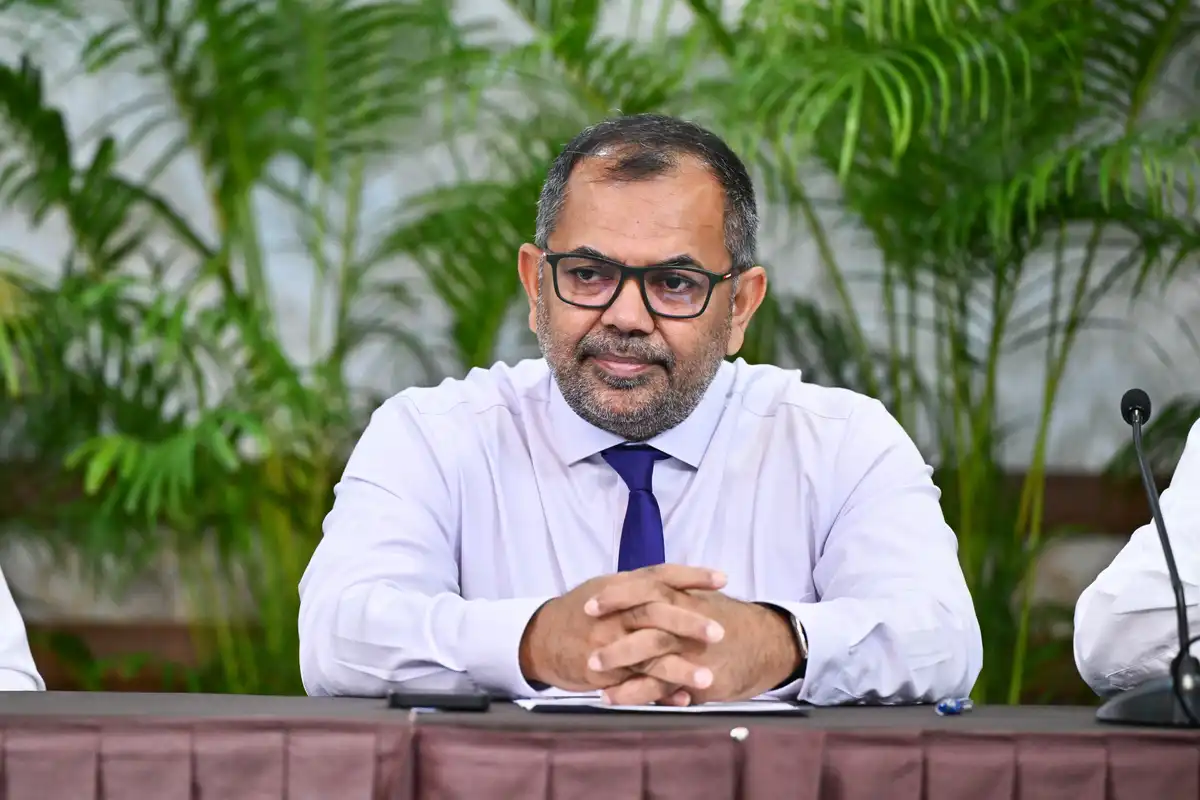
Global geopolitical tensions pose significant challenges to the Maldivian economy: Ahmed Mohamed
23 މާރިޗު 2026 | ހޯމަ 10:36Former Economic Minister Ahmed Mohamed has highlighted that rising global oil prices are negatively impacting the cost of living and the tourism industry in the Maldives. Amidst soaring national debt, he urged the government to implement proactive policies to reduce expenditure and boost revenue to ensure economic security. He further emphasized the critical need to strengthen the country's economic resilience in preparation for significant debt repayments due in 2026.

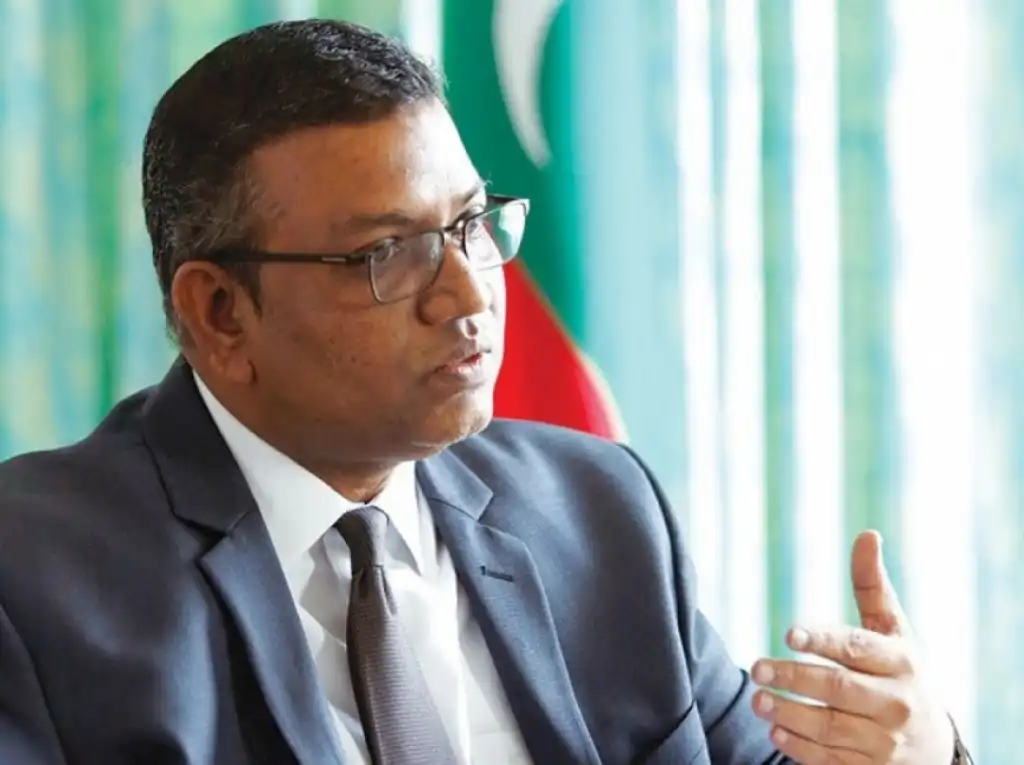
Ahmed Mohamed - Former Minister of Economic Development. | Google | Google
Former Economic Minister Ahmed Mohamed has stated that Middle East tensions and fluctuations in global oil prices are significantly impacting the Maldivian economy, emphasizing the urgent need for robust policies to navigate these challenges.
In an article written for "Maldives Economy" magazine, Ahmed Mohamed noted that as the Maldives is a nation heavily reliant on imports, every global market fluctuation directly impacts every household in the country.
Cost of living rises alongside fuel prices
Ahmed Mohamed stated that the decision by Fuel Supplies Maldives (FSM) to hike fuel prices by 18 to 26 percent is more than just a news headline. He highlighted that this increase will inevitably drive up costs across various sectors, including transportation, fisheries, electricity, and food prices.
"Fluctuations in the global market quickly become a burden on Maldivian household budgets," he wrote.
The threat to tourism
He revealed that the tourism industry, which serves as the Maldives' primary source of economic revenue, has now begun to experience adverse effects. Specifically:
- Decline in Tourist Arrivals: It was noted that tourist arrivals during the first two weeks of March 2026 saw a 21 percent decrease compared to the same period last year.
- Jet Fuel Price Hike: The 42 percent increase in jet fuel prices by MACL raises concerns that airlines operating in the Maldives may hike ticket fares, potentially branding the country as an "expensive destination."
The heavy burden of debt
Highlighting that the Maldives' economic situation is at a critical juncture, Ahmed Mohamed stated that the national debt has surged to 133 percent of the GDP. He further reminded that more than $1 billion will be required to service foreign debt in 2026.
What is the solution?
To overcome this situation, he has submitted several key proposals to the government:
- Targeted Subsidies: Providing financial assistance specifically aimed at those most in need.
- Foreign Exchange Management: Prioritizing the allocation of US dollars for the importation of essential commodities, such as fuel, medicine, and food supplies.
- Renewable Energy: Accelerating renewable energy projects to reduce dependence on fossil fuels.
- Resilience Fund: Establishing a "Sovereign Resilience Fund" to prepare for potential future disasters.
Ahmed Mohamed concluded by stating that strengthening the nation's economic defenses is not a task to be undertaken in the midst of a crisis, but rather a proactive measure that must be completed well in advance of any potential disaster.