Reducing frequency of elections does not establish political stability; what is being attempted is the elimination of competition: Faisal
18 މާރިޗު 2026 | ބުދަ 00:37Former Vice President Faisal Naseem has challenged the government's assertion that reducing the frequency of elections would foster political stability, arguing instead that regular elections compel leaders to visit islands, listen to citizens' grievances, and remain accountable for fulfilling their promises.
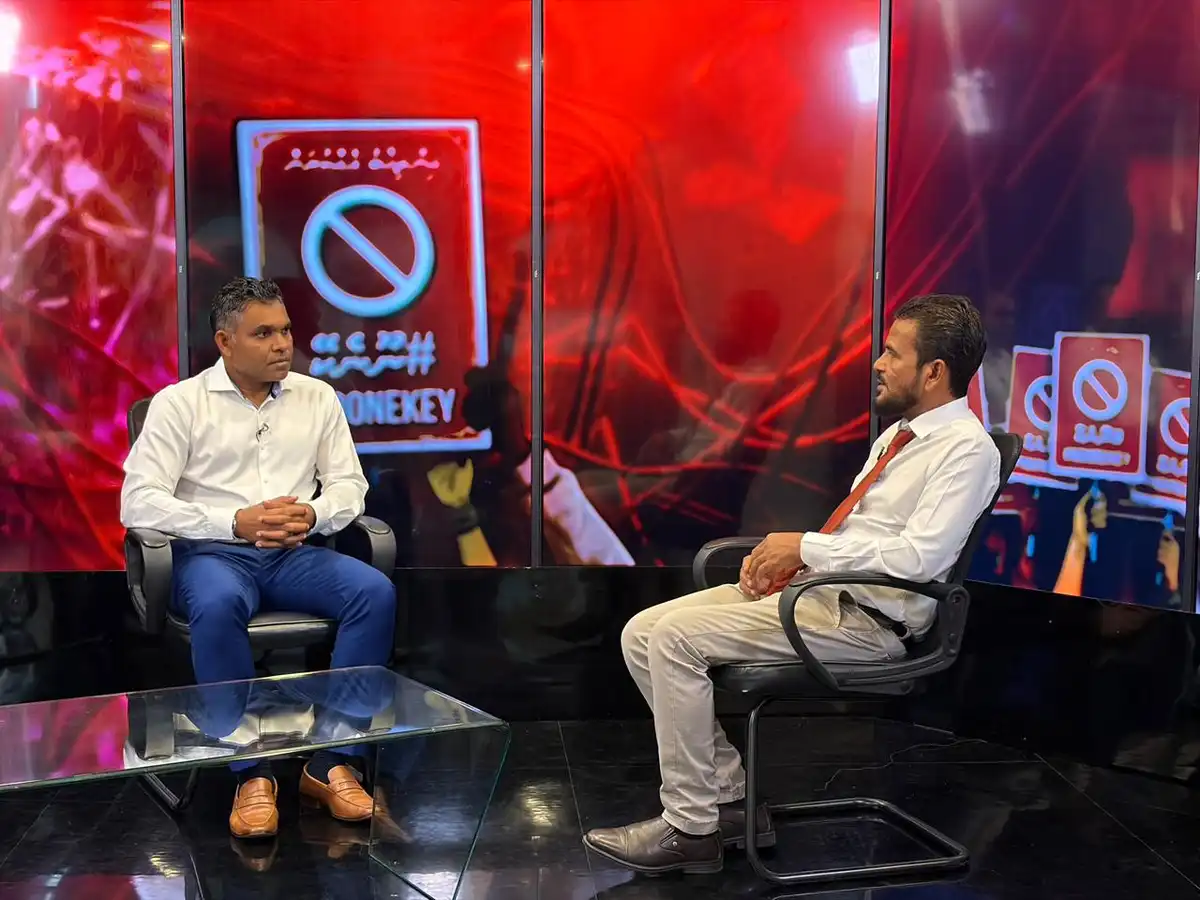
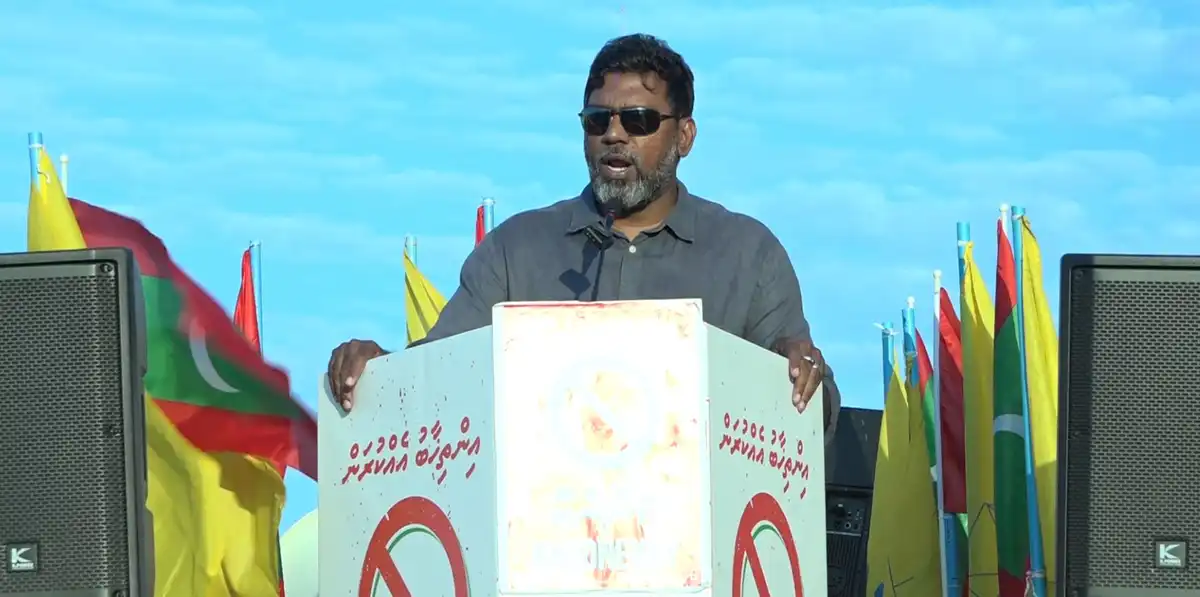
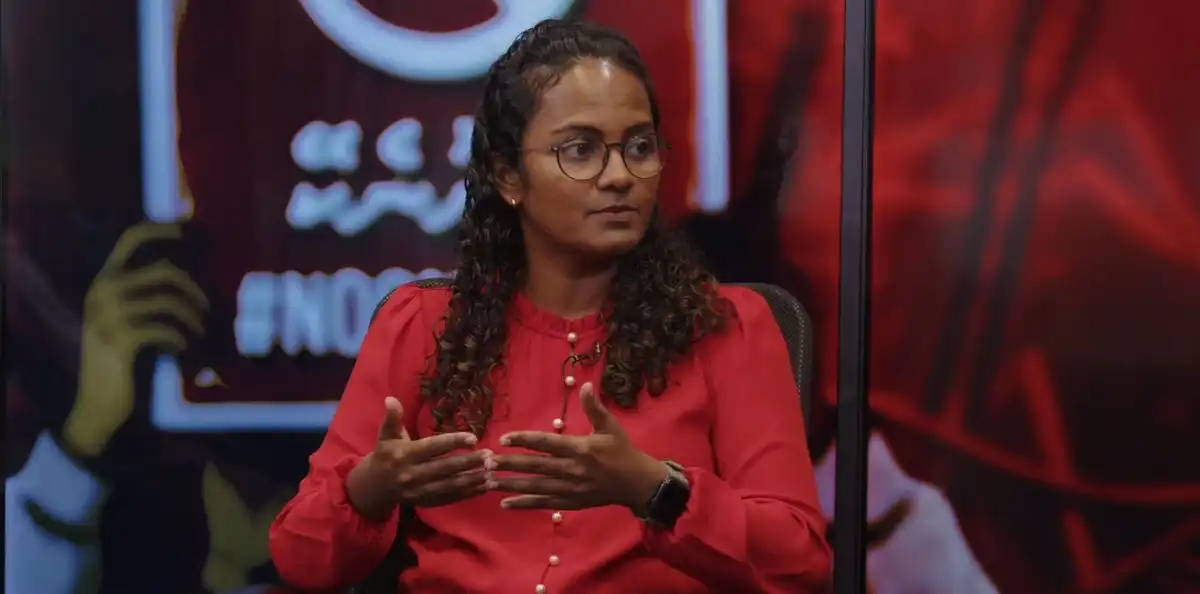
Former Vice President Faisal Naseem speaks during RaajjeTV’s "Noonekey" campaign program. | RaajjeMV | Raajje MV
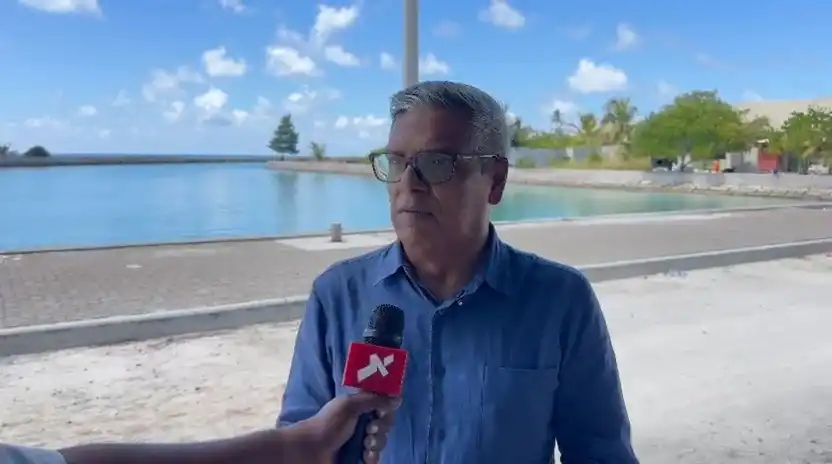
Former Vice President Faisal Naseem has stated that reducing the frequency of elections does not establish political stability. He further asserted that the true purpose of the referendum on consolidating presidential and parliamentary elections is to eliminate political competition.
Speaking on RaajjeTV’s "Noonekey" campaign program, Faisal countered the government’s claim that reducing the frequency of elections would minimize political instability. He argued that the existence of elections should not be a catalyst for political unrest. Faisal further noted that during the previous administration under the PNC’s ideology, they had challenged presidential election results in court due to dissatisfaction. He pointed out that such actions reflect how those aligned with that ideology handle electoral outcomes.
Faisal stated that facilitating actions that undermine the constitutional rights of citizens is an incitement to unrest. Furthermore, he noted that while a major referendum is being conducted, the current conduct of PSM is fostering an environment conducive to instability.
"This is being promoted as a vote to endorse a specific agenda. Could there be a greater cause for instability than this? This is the very definition of unrest. Therefore, I do not believe that reducing the frequency of elections leads to greater political stability. Without elections, leaders would have no reason to visit the islands," Faisal said.
Faisal stated that leaders currently tend to visit islands primarily during election periods, noting that these visits provide a vital opportunity for residents to discuss matters related to local development. He remarked that if promises made during one election remain unfulfilled by the next, it creates a sense of accountability and pressure on leaders to deliver on their commitments. Furthermore, Faisal highlighted that elections play a crucial role in ensuring that citizens reap the benefits of progress within a decentralized system.