Crescent moon for the holy month of Ramadan sighted in Saudi Arabia
17 ފެބުރުއަރީ 2026 | އަންގާރަ 19:02Fasting during the month of Ramadan is one of the five pillars of Islam and is obligatory for every adult Muslim. While the commencement of the month is determined by the traditional sighting of the moon, Islamic law provides exemptions for those with valid excuses, such as the sick and travelers. Furthermore, in observance of this holy month, working hours in offices and schools across Islamic nations are typically adjusted to provide ease for the public.

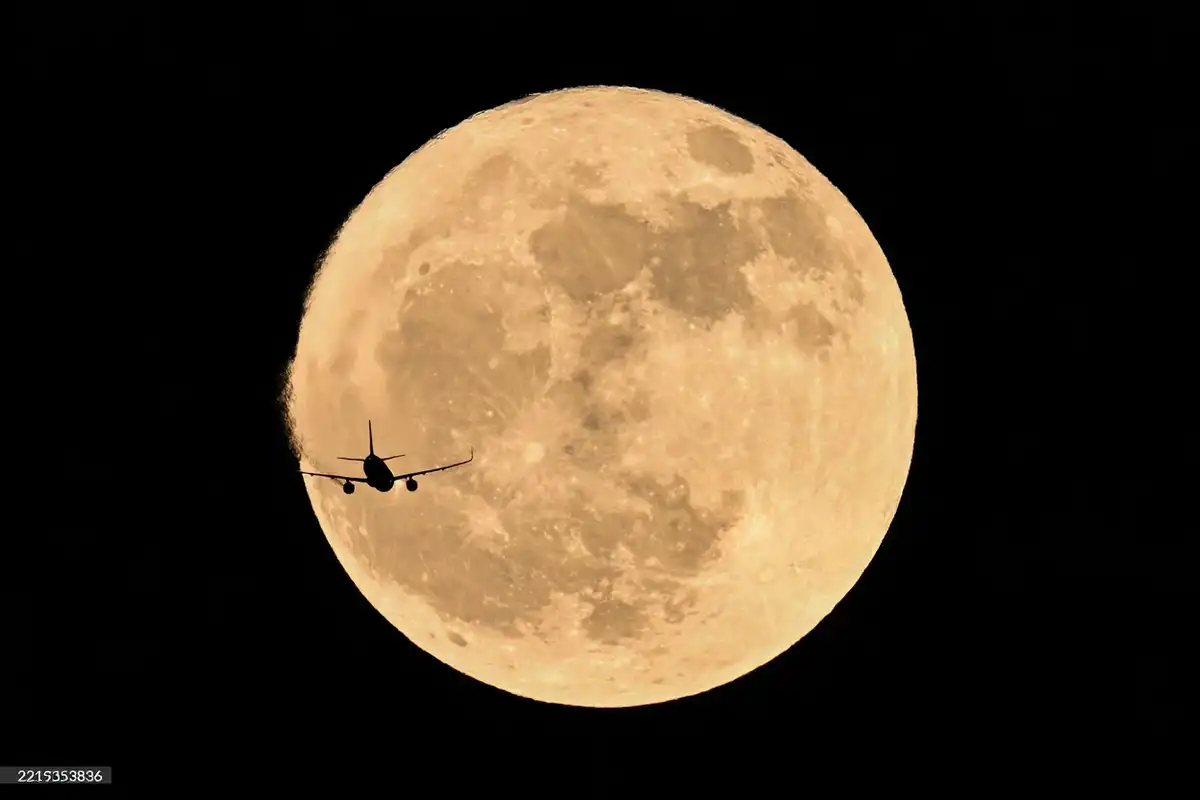
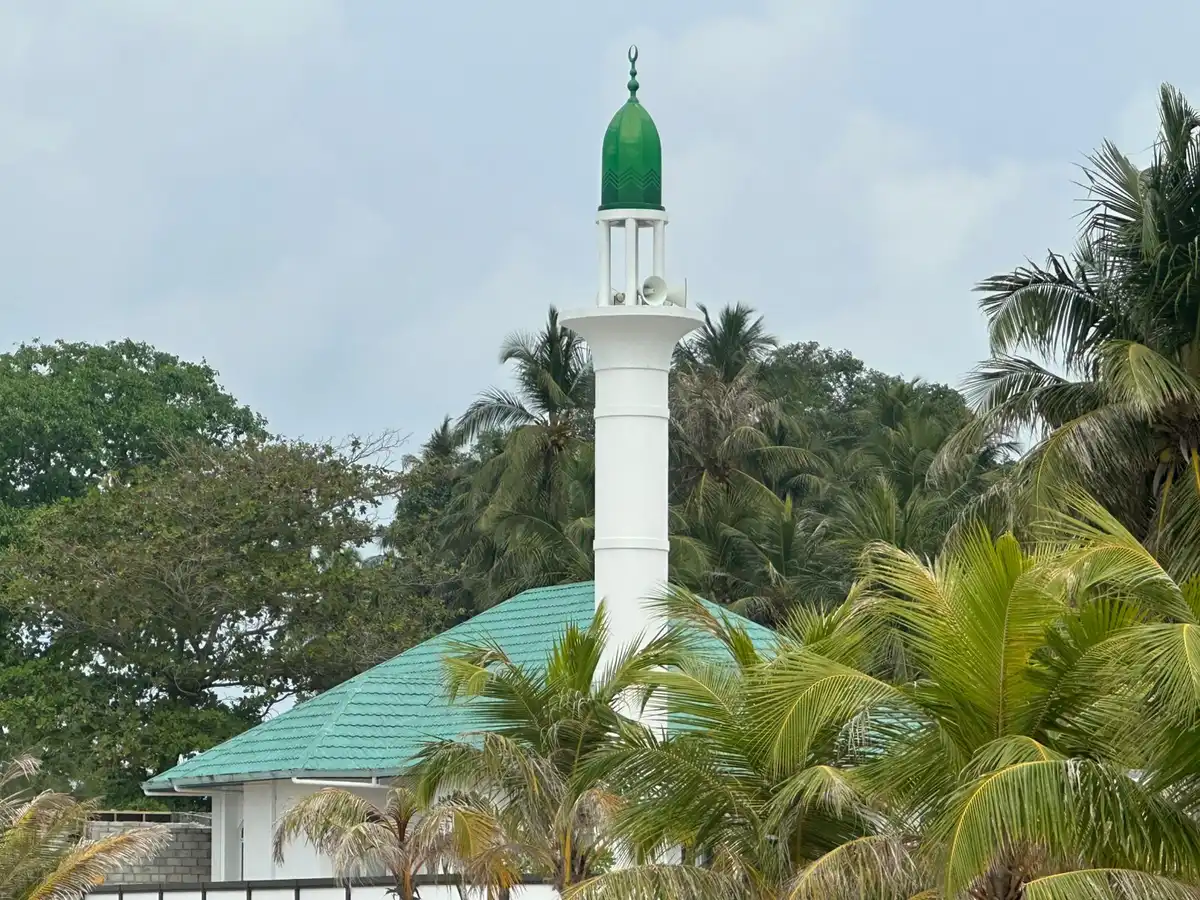
Sighting the moon is a long-standing tradition in Islamic societies used to determine the commencement of significant religious occasions, such as the start of Ramadan, Eid al-Fitr, and Eid al-Adha. | AFP
Saudi Arabia confirmed on Tuesday that the first day of the holy month of Ramadan will fall on Wednesday, February 18, following the sighting of the crescent moon in the kingdom.
Ramadan is the ninth month of the Islamic Hijri calendar. Of the twelve months that comprise the Islamic calendar, a single year spans a duration of 354 or 355 days.
Fasting during the month of Ramadan is one of the five pillars of Islam. It is a mandatory act of worship for every healthy, adult Muslim. However, exceptions are granted to children, the sick, and travelers, as well as to pregnant women, nursing mothers, and those who are menstruating.
The long-standing tradition of moon sighting remains the established practice for determining the commencement of significant Islamic occasions, such as the holy month of Ramadan, Eid al-Fitr, and Eid al-Adha.
In observance of the holy month of Ramadan, many Muslim-majority countries implement shortened working hours for government offices and private companies, as well as reduced instructional hours for schools.