South Malé atoll completely blanketed in sludge
10 ފެބުރުއަރީ 2026 | އަންގާރަ 20:33Public concern is mounting following the release of photographs showing extensive sedimentation and pollution across the reefs of South Malé atoll, allegedly caused by a failure to implement environmental safeguards during the Fushidhiggaru Falhu reclamation for the Ras Malé project. Experts warn that the resulting siltation poses a severe threat to protected marine areas and the local tourism industry, amid further observations that several other government-led infrastructure projects are also operating in defiance of established environmental regulations.
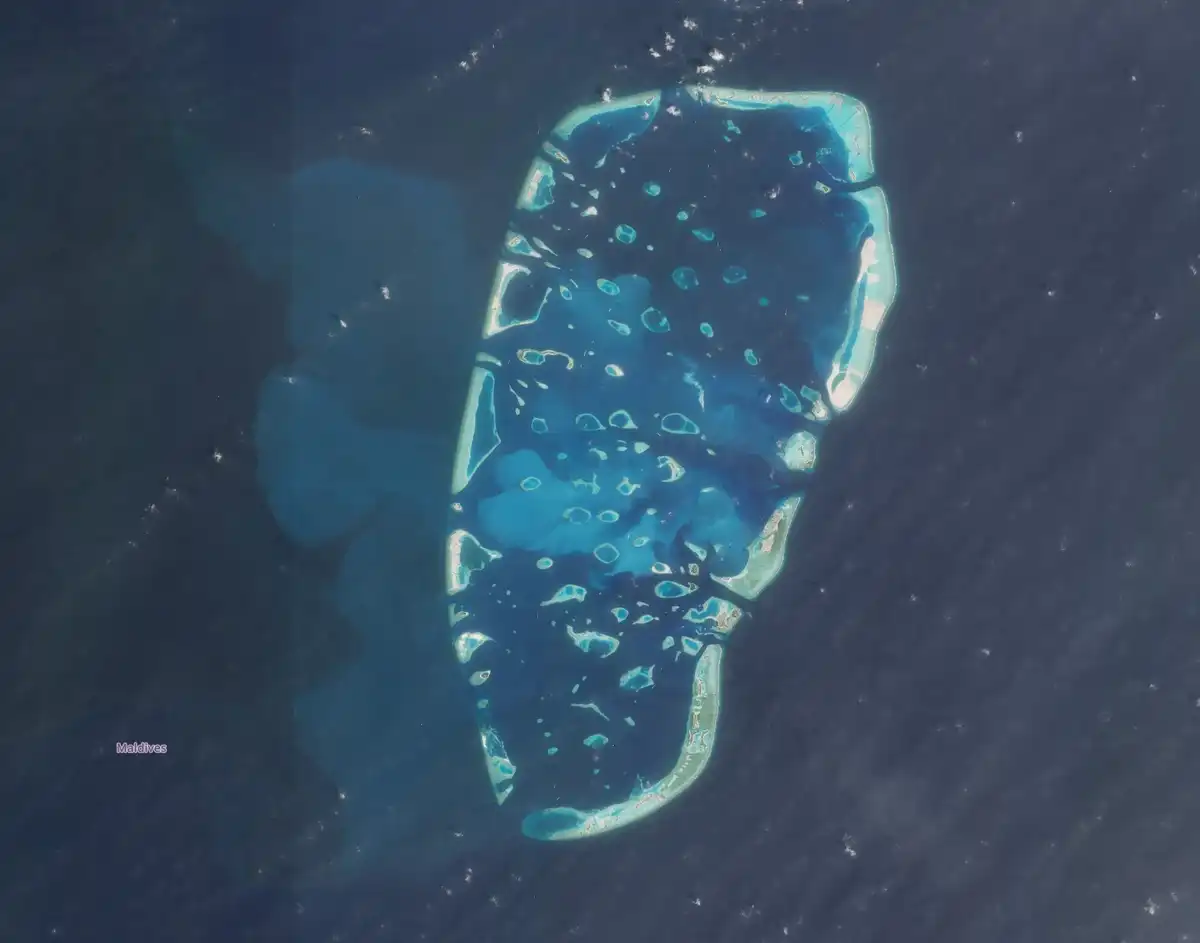
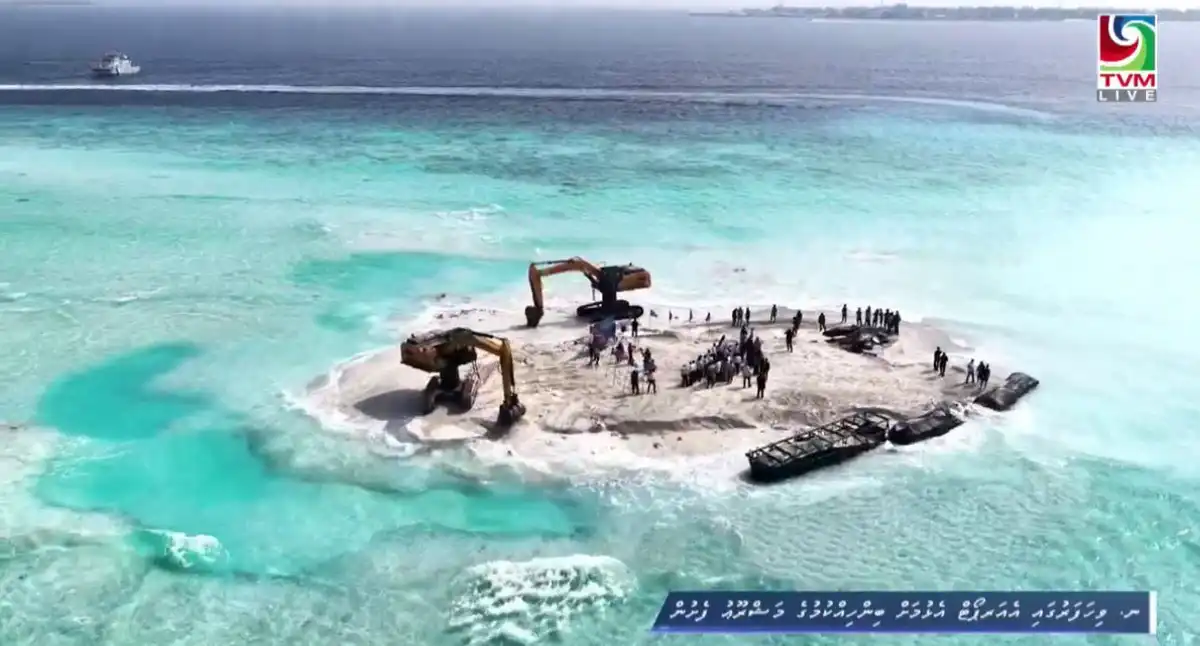
A large area of South Malé Atoll has been affected by a significant spread of sediment. | Screen image | Screen image
Photos have emerged showing the extensive sedimentation and pollution of South Malé atoll caused by the reclamation of Fushidhiggaru Falhu for the development of the new city, Ras Malé.
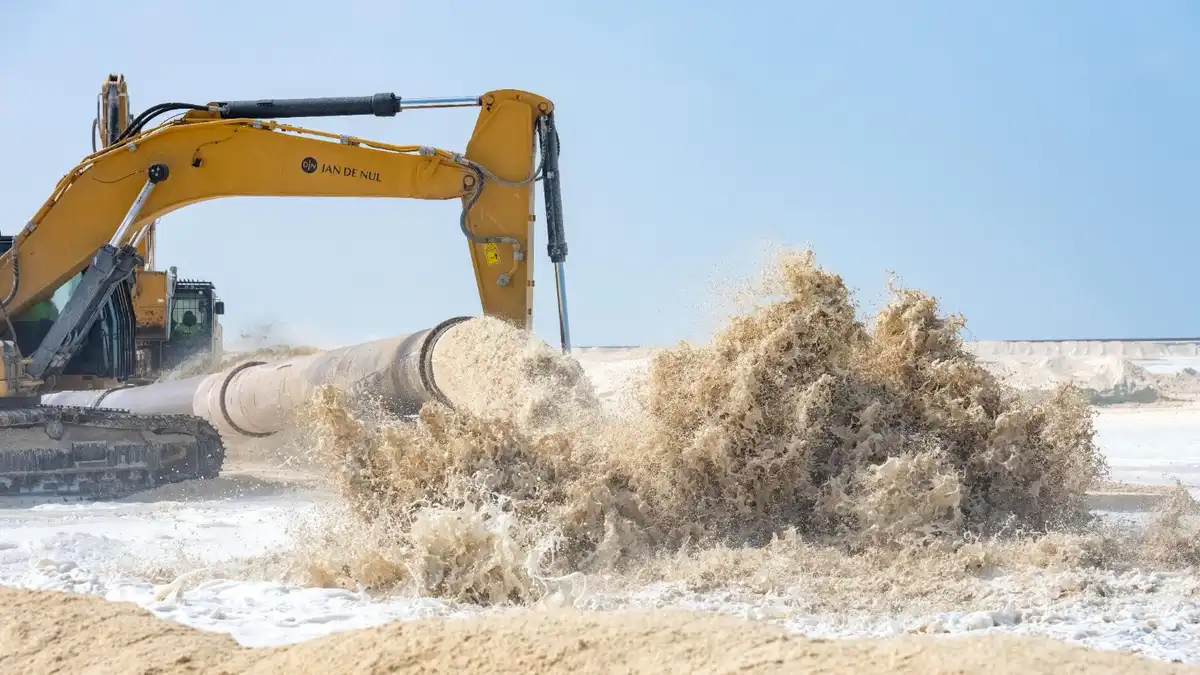
Concerns are mounting on social media over the failure to implement necessary environmental safeguards during the reclamation of this reef, which is being carried out using one of the world’s largest dredgers. Critics have noted that the government has failed to employ standard silt control measures typically required for such large-scale projects to mitigate environmental impact in the area.
Aerial photographs circulating publicly reveal extensive sediment plumes spreading across the central reefs and the western rim of the atoll. The images further show a vast area beyond the main outer reef on the western side heavily blanketed by silt.
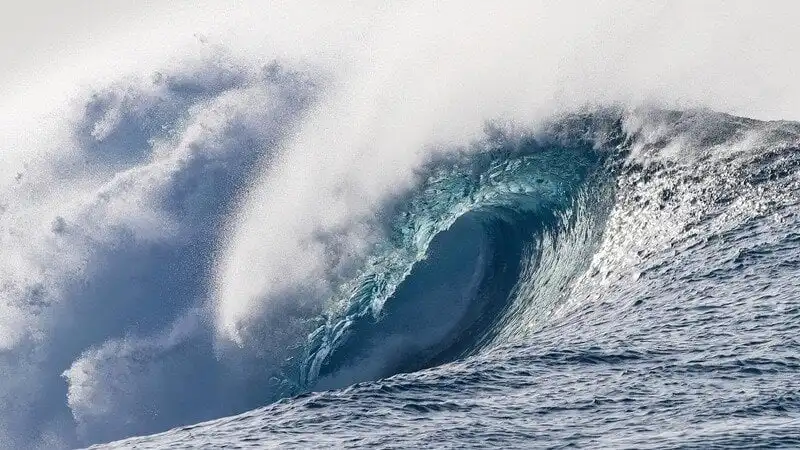
South Malé atoll is recognized not only for its popular resorts and guesthouses but also as a premier destination featuring world-class surfing spots and dive sites that are highly sought after by tourists.
With the national economy heavily dependent on tourism, the state generated $5.4 billion in revenue from the sector last year.
The government has officially designated the upcoming year as the "Visit Maldives Year."
Maldivian reefs serve as the most vital ecosystems for tourism, fisheries, and bait fishing. Furthermore, they act as the nation's primary natural defense against the threats of climate change and rising sea levels.
Despite South Malé atoll containing several areas protected for their unique ecological characteristics, observations indicate that these sites have also been impacted by the spread of sediment. Among the affected locations in South Malé atoll are two significant protected zones. According to the Environmental Regulatory Authority (ERA) website, these areas were granted protected status due to their rich biodiversity and vibrant coral ecosystems.
- Guraidhoo Channel is a renowned diving spot characterized by its strong currents and a vibrant ecosystem of coral and marine life. This area is exceptionally rich in biodiversity, featuring a vast array of coral species and sponges.
- Enboodhoo Channel: This channel is renowned for its vibrant and healthy coral reef ecosystem.
Both areas, which possess unique ecological characteristics, are notably located in close proximity to the Fushidhiggaru Lagoon, where land reclamation efforts are currently underway.
Environmental experts state that the various channels within Malé atoll possess unique characteristics, distinguished by their rich marine biodiversity and intricate coral reef systems.
Photos circulating on social media show a vast trail of silt and sediment spreading across the path of the dredger.
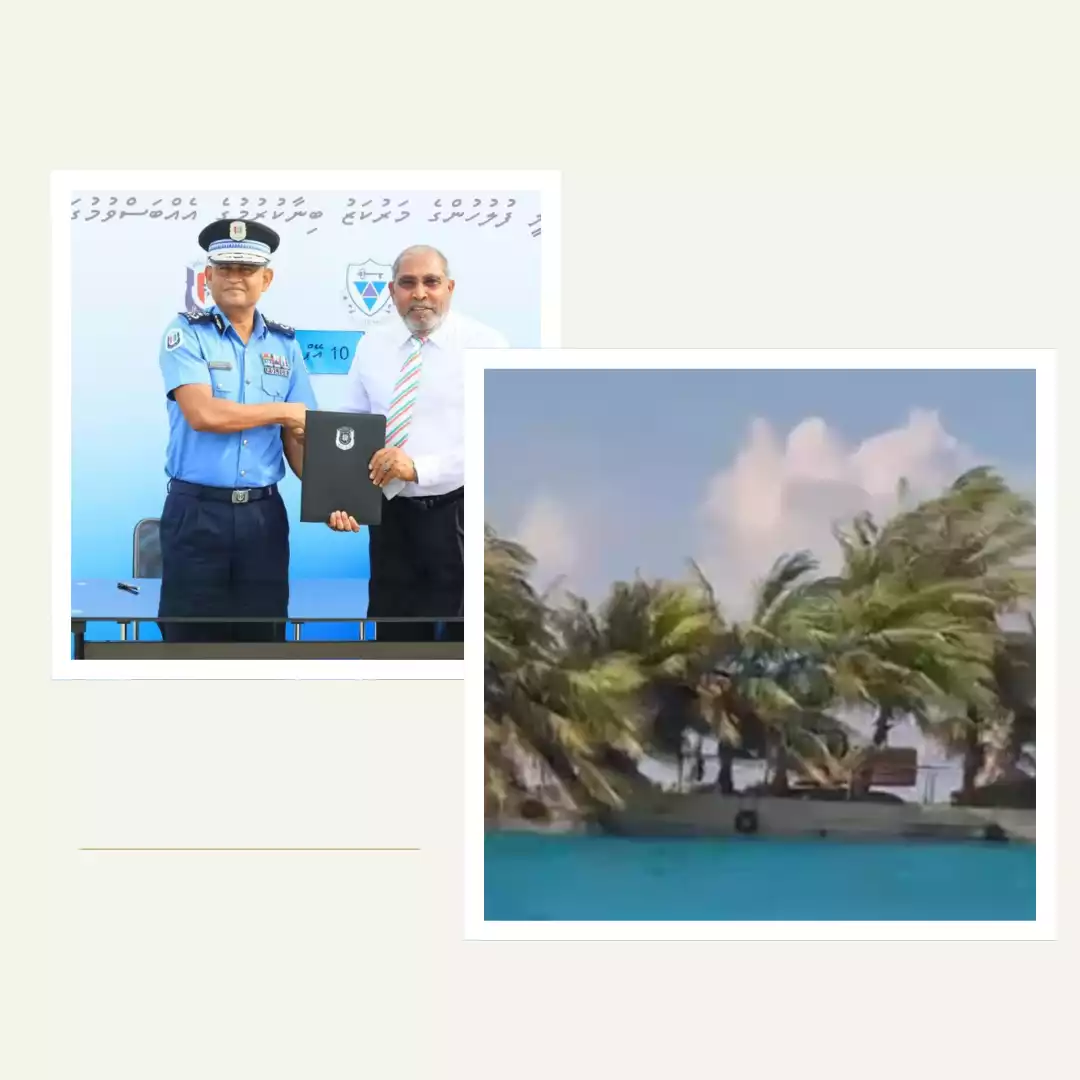
In addition to Ras Malé, it has been observed that land reclamation projects in several other islands under President Muizzu’s administration are proceeding without any of the necessary environmental protection measures.
Satellite imagery reveals that the ongoing land reclamation project in HA. Dhidhdhoo has caused extensive sedimentation, with silt spreading across a significant area of the surrounding waters.
Since President Dr. Mohamed Muizzu assumed office, his administration has introduced numerous amendments to key environmental protection regulations. These changes have significantly relaxed the stringent standards previously in place to safeguard the Maldives' natural environment.
In this regard, changes have been introduced to the stringent regulations governing Environmental Impact Assessment (EIA) reports, which are required to mitigate the adverse environmental effects of development projects. It has been observed that some projects, which could cause significant environmental damage, have commenced without submitting EIA reports by exploiting these regulatory changes.