Current administration abolished atoll councils to seize their assets: Former N. Atoll Council President Zafir
6 ފެބުރުއަރީ 2026 | ހުކުރު 10:38Zafir alleged that the true motive behind dissolving atoll councils before the end of their terms is to seize control of their budgets and assets. He further claimed that the government is orchestrating this move to secure funding for the upcoming local council elections.

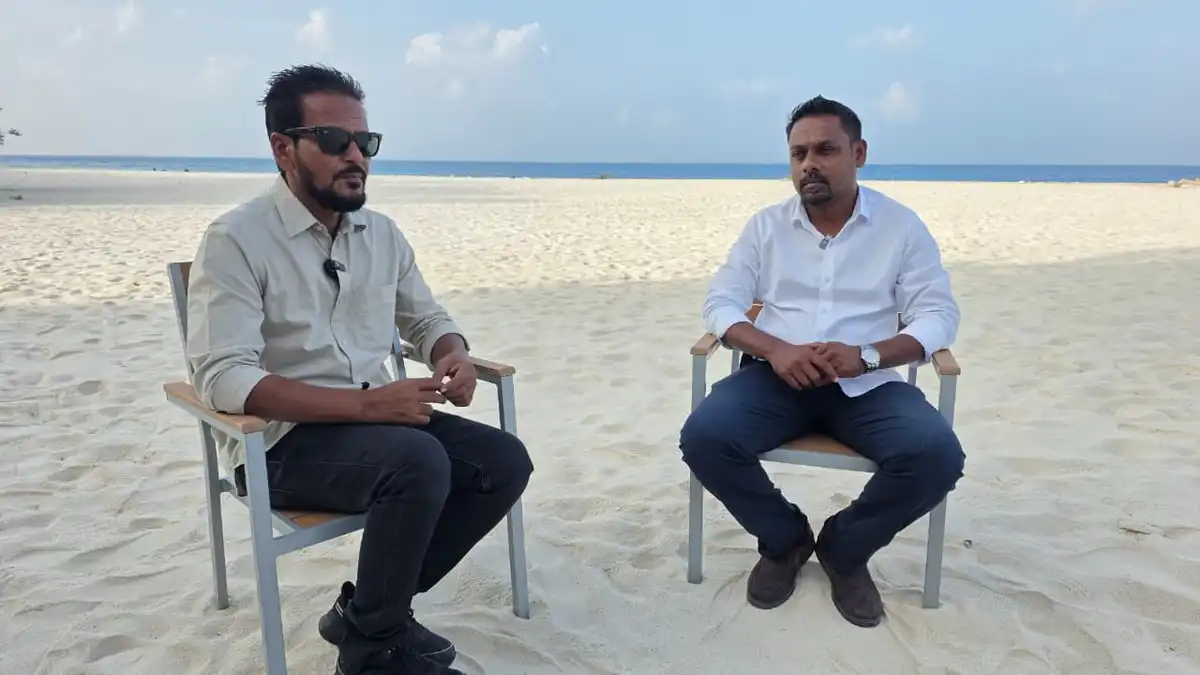
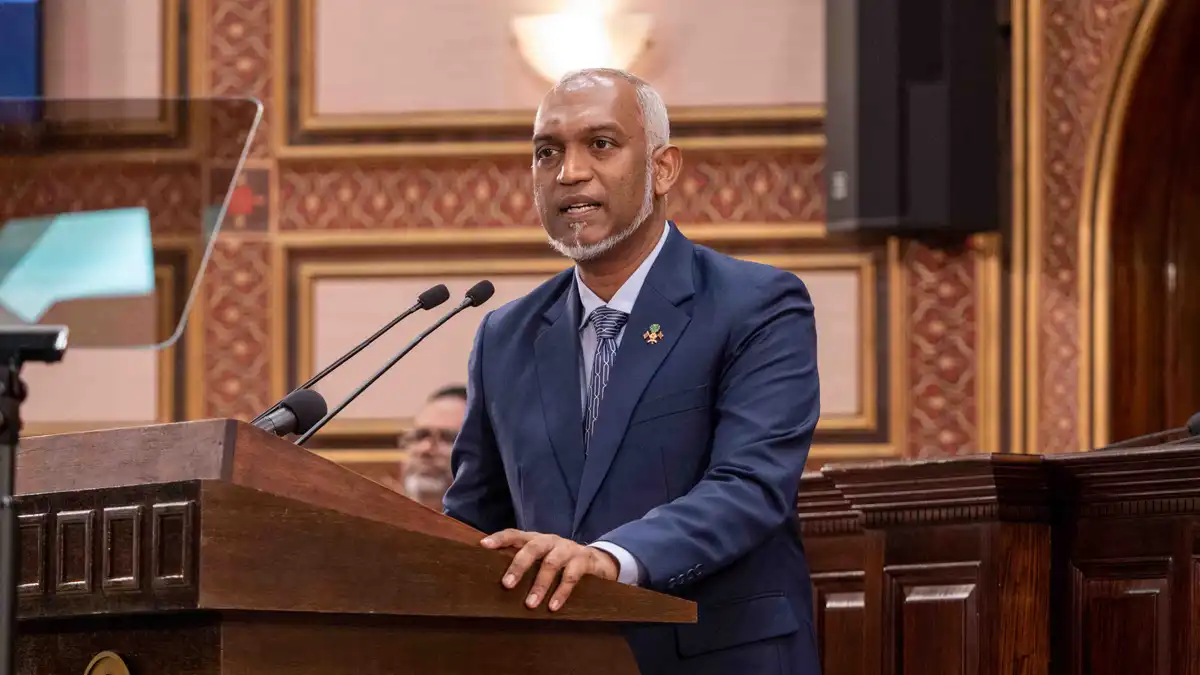
Ali Zafir, the former President of the Noonu Atoll Council, speaks on RaajjeTV's 'Fashaairu' | RaajjeMV | Raajje MV
Ali Zafir, the former President of the Noonu Atoll Council, has alleged that President Dr. Mohamed Muizzu’s administration dissolved atoll councils as a strategic move to seize their assets under government control.
Speaking on Thursday's "Fashaairu" program, Zafir strongly criticized the current administration's ongoing efforts to curtail the powers of the decentralized system.
Zafir stated that this is a centralized government that is actively working to consolidate all powers. He noted that the administration abolished atoll councils with the intent of seizing their budgets and assets. He further remarked that with the upcoming council elections, the government would require a significant amount of funding.
Nearly a year has passed since the previous Presidential Address. During this period, despite earlier pledges to provide funding to atoll councils, the government has suddenly moved to abolish them. This appears to be a convenient tactic to avoid disbursing those funds. By doing so, the government secures these resources for its own use, potentially leveraging them for the upcoming council elections. It is clear they are seeking to create this advantage for themselves.Former President of the Noonu Atoll Council, Ali Zafir.
Zafir stated that the public elects local councils for a five-year term, following the same democratic principles used to elect the President and members of Parliament. However, he noted that councilors have effectively been prevented from performing their duties during their final year, suggesting a lack of good faith on the part of the government. He further argued that if councilors are restricted from working in this manner, the same limitations should logically apply to the President and Members of Parliament during the final year of their respective terms.
Furthermore, Zaafir stated that atoll councils have undertaken significant efforts toward regional development and have introduced positive transformations. He added that these contributions have been well-received and recognized by the public.