Family alleges cruelty as former Fenaka MD denied critical medical treatment
28 ޖެނުއަރީ 2026 | ބުދަ 15:36Saeed's family is calling for medical treatment access, stating his health condition is incompatible with solitary confinement and poses life-threatening risks. They have urged HRCM and state institutions to intervene. Former Minister Shahid noted Saeed requires specialized heart treatment unavailable in the Maldives and called denial of travel for treatment inhumane.

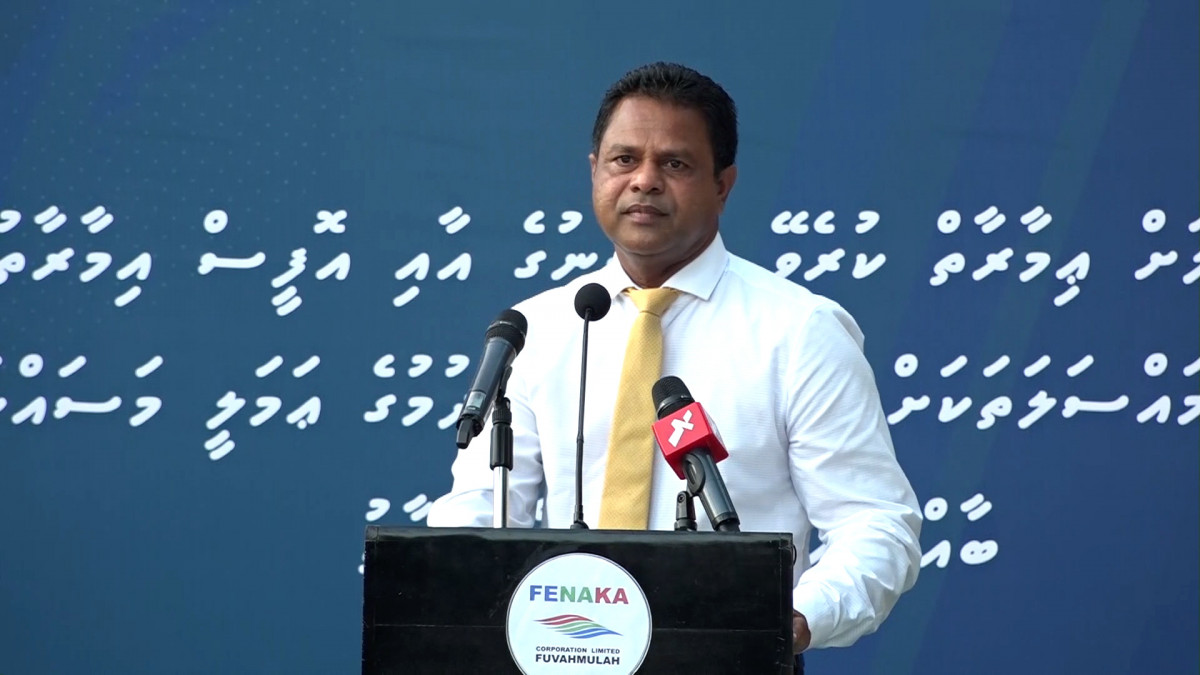
Former Fenaka MD, Ahmed Saeed Mohamed speaking at an event | RaajjeMV
The family of Ahmed Saeed Mohamed, the former Managing Director of Fenaka Corporation, has expressed serious concern over his deteriorating health and the alleged denial of access to adequate medical treatment.
Saeed’s family emphasized that access to basic healthcare is a fundamental human right and urged authorities to consider his medical condition and grant him the necessary opportunities for treatment.
They also stressed that exercising presidential powers in a way that compromises an individual’s right to life, is unacceptable.
According to the family, medical assessments indicate that Saeed’s health condition is incompatible with solitary confinement in prison and poses a potential risk to his life. They asserted that refusing leniency for medical care despite these risks constitutes a deliberate act of cruelty.
The family has called on the Human Rights Commission of the Maldives (HRCM) and other relevant state institutions to take responsible action regarding the matter.
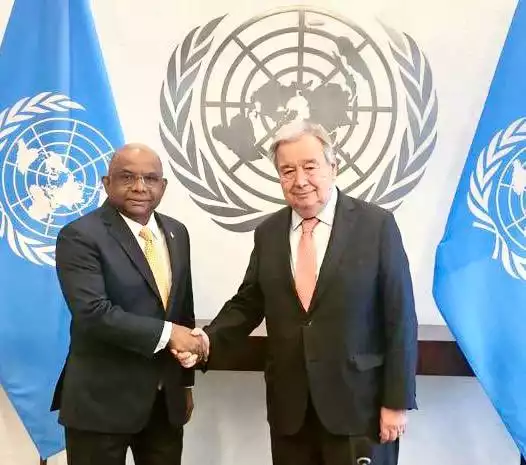
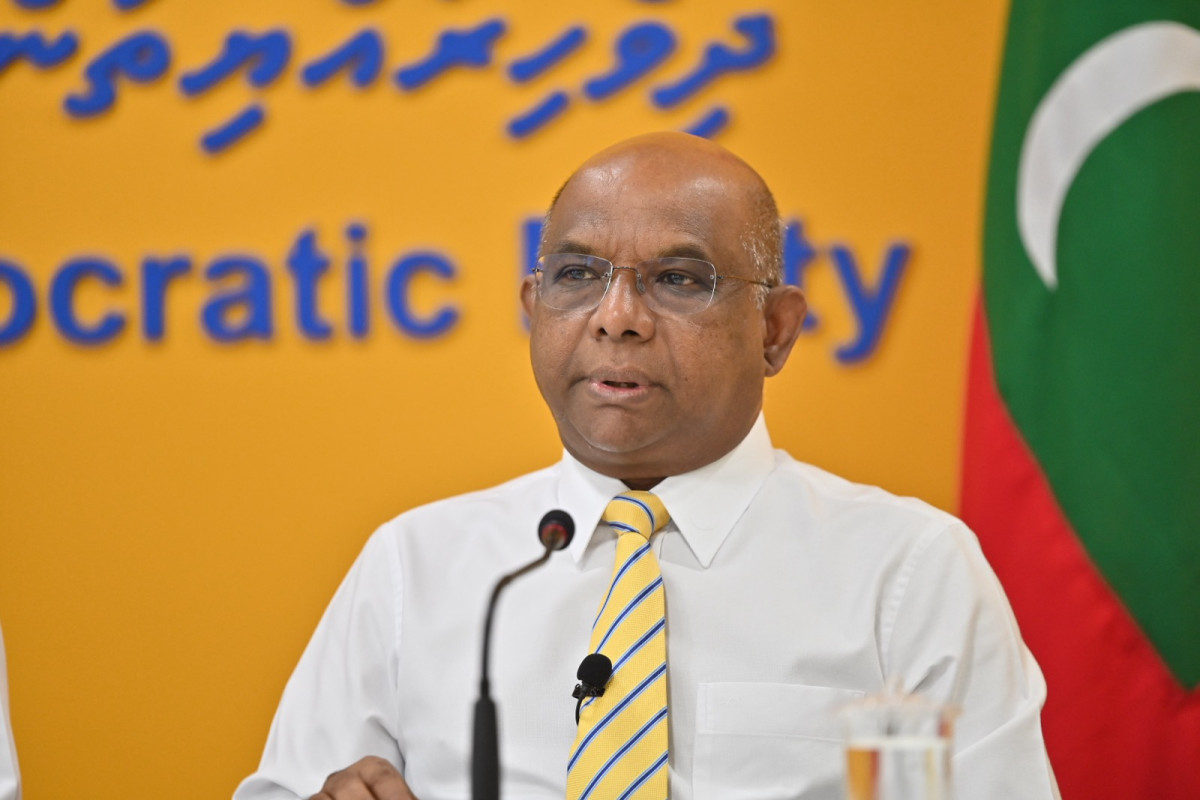
Taking to social media platform ‘X’, former Minister of Foreign Affairs and President of the main opposition Maldivian Democratic Party (MDP), Abdulla Shahid, highlighted that Saeed is a heart patient and requires specialized treatment that is unavailable in the Maldives.
He noted that repeatedly obstructing Saeed’s travel abroad for such treatment is inhumane and unacceptable.
Shahid also pointed out that, despite medical advice confirming that solitary confinement is unsuitable for Saeed’s health, the continued denial of his right to medical care remains deeply concerning. He stressed that the state must treat its citizens with justice, prioritizing humanity in all its actions.