Italian prosecutors launch investigation into deaths of Italian divers in Maldives
16 މެއި 2026 | ހޮނިހިރު 11:41Investigations into the disappearance of Italian tourists diving near V. Alimatha have revealed that the group entered a cave deeper than the authorized safety limits. While one fatality has been confirmed, adverse weather conditions are significantly hindering the search for the remaining four individuals. Experts suggest the incident may have been caused by oxygen toxicity or the divers becoming disoriented within the cave system.
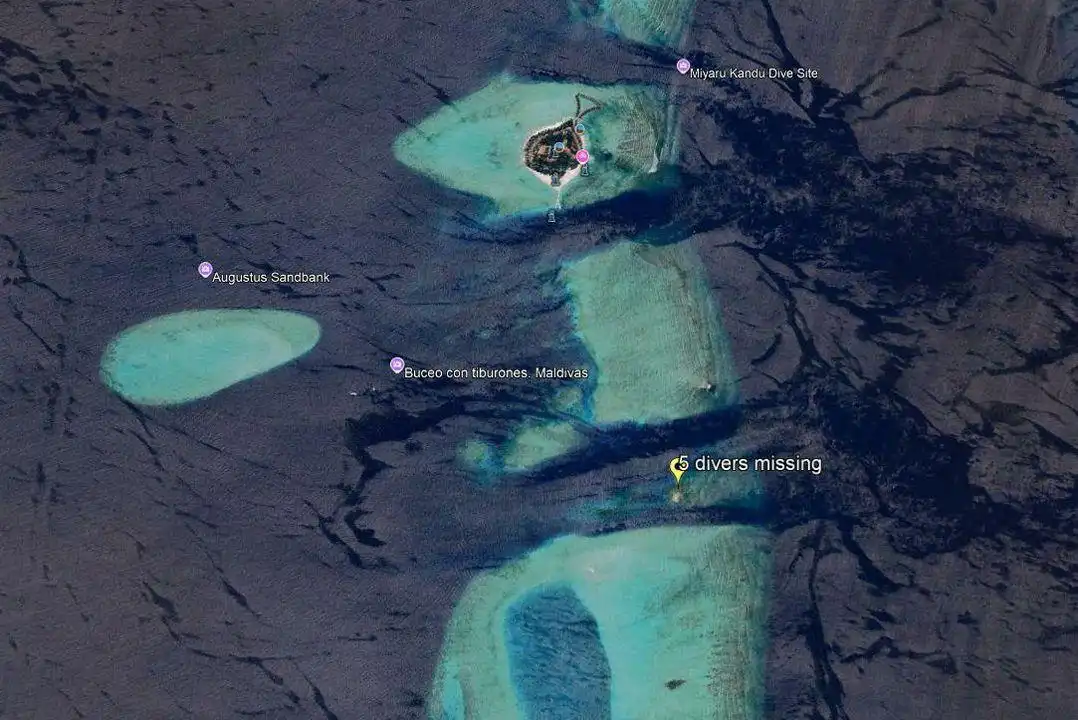
The area where five divers went missing while diving in Vaavu Atoll. | MNDF
Italian prosecutors launched an independent investigation on Friday following a tragic scuba diving accident in Vaavu Atoll that claimed the lives of five Italian nationals.
According to a report by the Italian news agency ANSA, prosecutors in Rome are currently awaiting a formal report from the Italian Consulate in Sri Lanka, which oversees Maldivian affairs. A decision on whether to refer the case to Maldivian law enforcement authorities will be made following the review of that report.
Maldivian authorities are investigating whether weather warnings and diving regulations were ignored prior to Thursday's incident near Vaavu Atoll Alimatha. While four of the five missing individuals remain unaccounted for, divers have searched two areas within a cave located 200 feet underwater. This depth is double the 100-foot limit authorized for recreational diving in the Maldives. However, recovery efforts have now been suspended due to deteriorating weather conditions.
Damiano Francovig, the Italian Ambassador to Sri Lanka, stated that Maldivian divers have so far only been able to access the first two sections of the cave before being forced to ascend to complete necessary decompression time. He further noted that the bodies of the remaining missing Italian divers have not yet been located.
"They are currently preparing for an additional dive. At the moment, weather conditions in the Maldives are very poor, with strong winds and heavy rainfall. Furthermore, strong currents have significantly hindered these operations," the Ambassador stated.
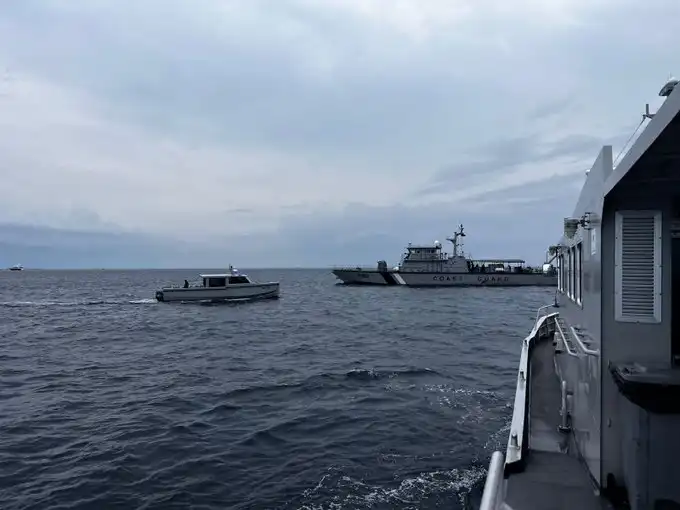
Search efforts are underway utilizing divers, aerial support units, and marine vessels to locate the missing individuals.
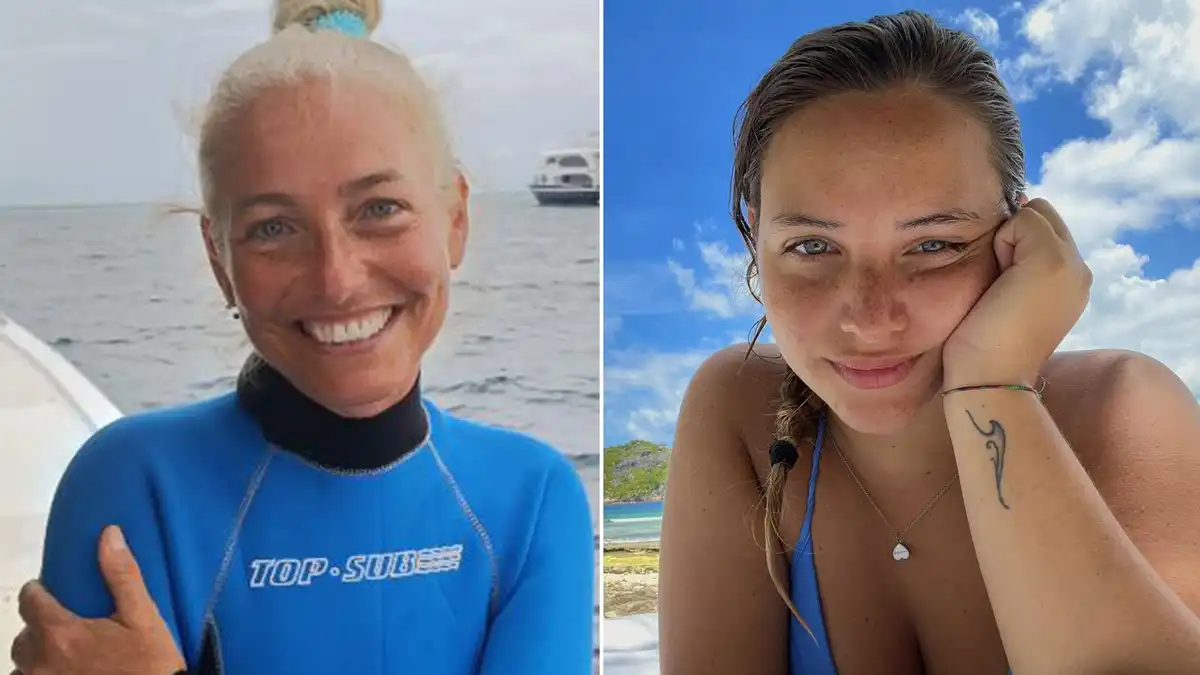
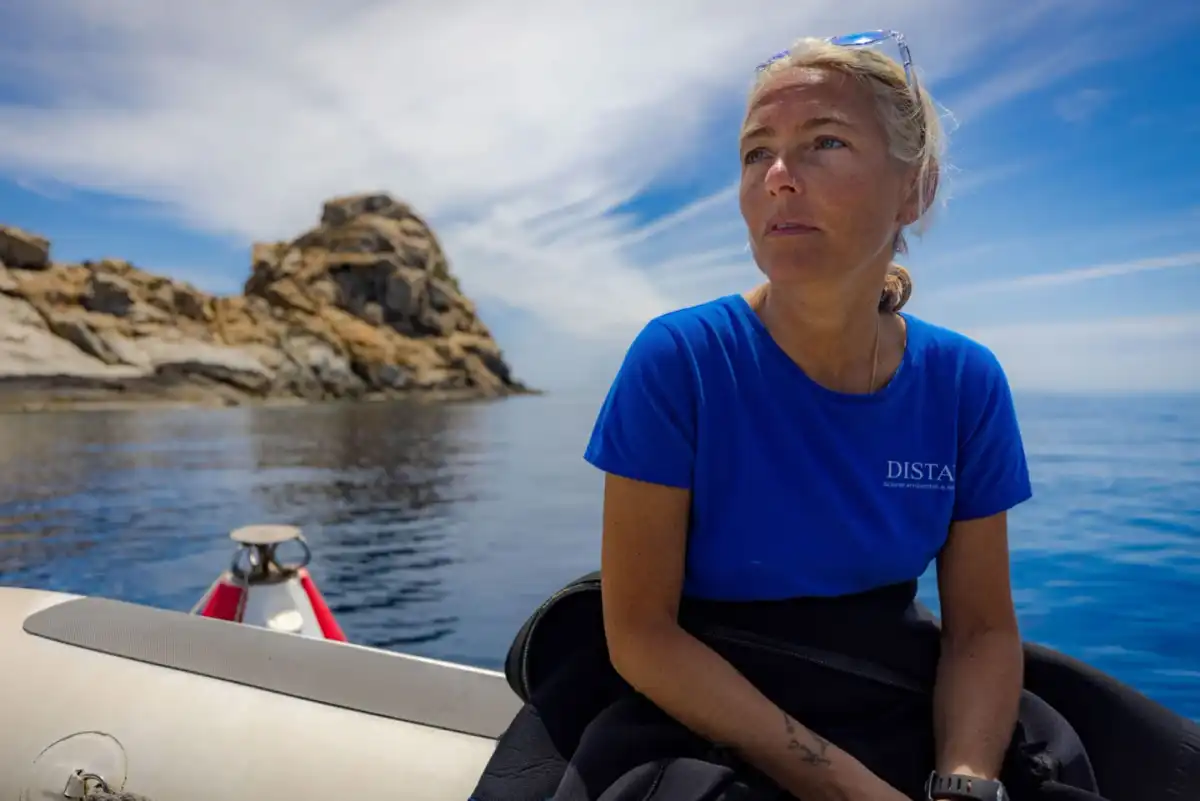
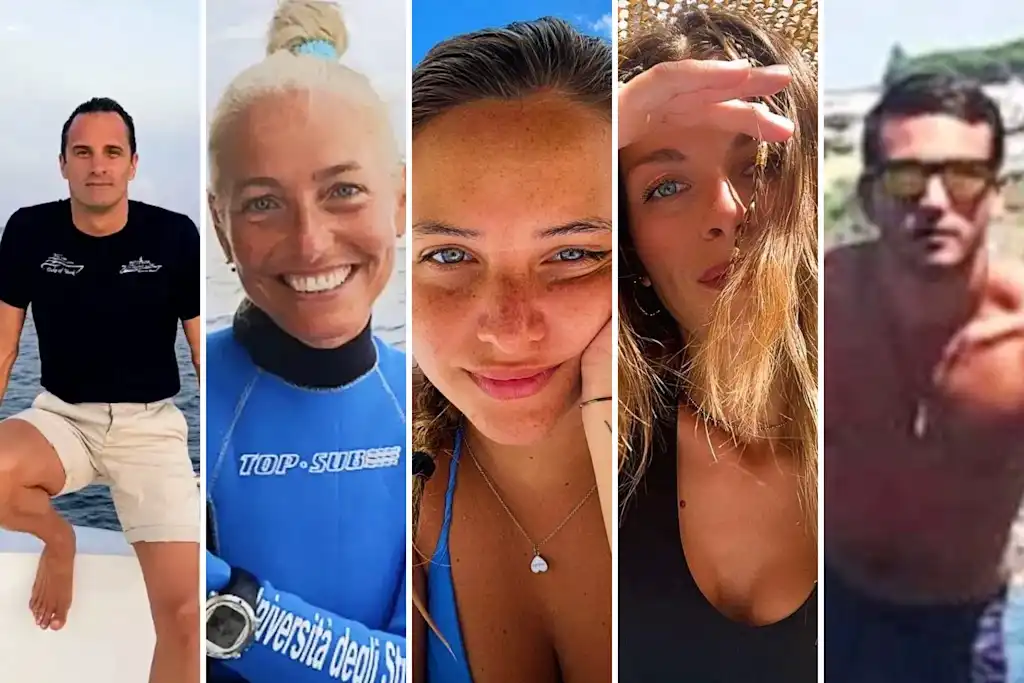
Only one body has been recovered thus far. While Maldivian media outlets have identified the deceased as Monica Montefalcone, ANSA reports that the body is actually that of diving instructor and vessel captain Gianluca Benedetti.
Muriel Odenino, Federico Gualtieri, and Giorgia Somacal—the daughter of Monica—who were part of the excursion, also failed to resurface after going diving.
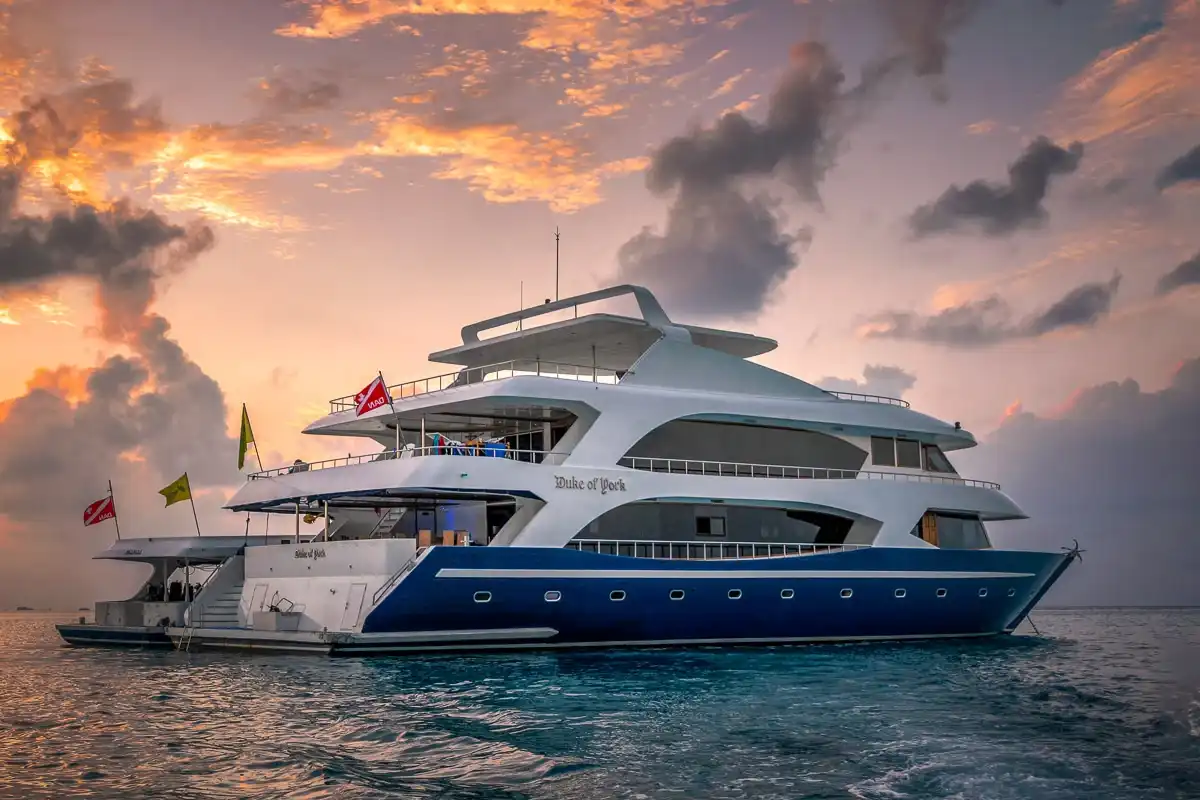
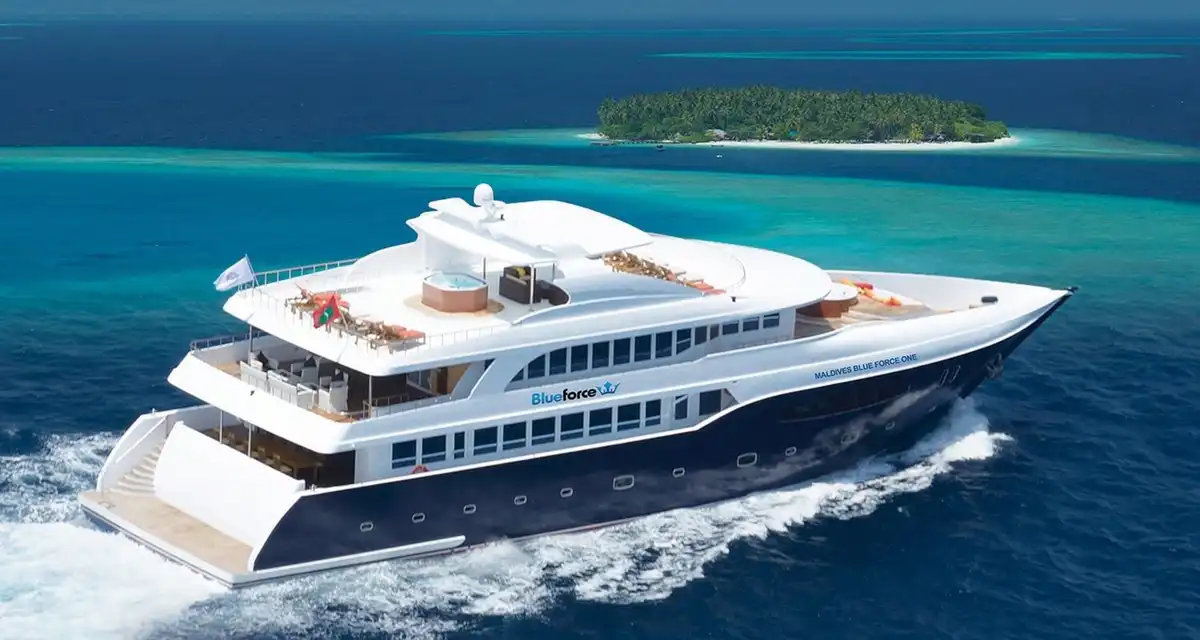
According to relevant authorities, there were 20 other Italians aboard the safari vessel "Duke of York" before the start of the scheduled one-hour dive.
"They went down for the dive at 11:00 a.m. When they failed to surface by around 12:00 p.m., we began searching for them from the boat," a source informed ANSA. Others noted that prior to the weather deteriorating, sea conditions had been calm with excellent underwater visibility.
However, what exactly transpired beneath the surface remains shrouded in mystery.
As global media attention remains focused on the incident, health experts are now sharing various theories regarding these deaths.
Claudio Micheletto, a pulmonologist, told Italian media that the divers' deaths may have been caused by "oxygen toxicity."
"When oxygen levels in the body become excessively high, the gas turns toxic. While diving, this can lead to dizziness, pain, and loss of consciousness, as well as disorientation. This makes it difficult to ascend to the surface," he explained.
However, Alfonso Bolognini, President of the Italian Society of Underwater and Hyperbaric Medicine, suggests that the divers may have succumbed to panic while submerged. He noted that such distress can lead to clouded vision and increases the likelihood of making fatal errors.
Umberto Pelizzari, a freediver who traveled on the "Duke of York" six years ago, stated that it is possible for divers to become "disoriented" inside the cave.
"You enter the first section, then the second, and then the third. When you turn around, the water has changed color and become murky. Even if you think you are heading back the way you came, it could be the wrong path," he told the newspaper *La Stampa*.
"That is the point where things spiral out of control. The site lies at a depth of 150 to 200 feet—a depth that demands strict adherence to diving protocols and time limits. Under those conditions, the cave transforms into a death trap."