
As Maldives' debt situation worsens, urgent reforms are necessary: ADB
6 ފެބުރުއަރީ 2026 | ހުކުރު 21:43The Asian Development Bank (ADB) has emphasized the need for a more robust oversight mechanism to strengthen government administration, enhance accountability, and improve performance outcomes, while ensuring long-term fiscal stability.
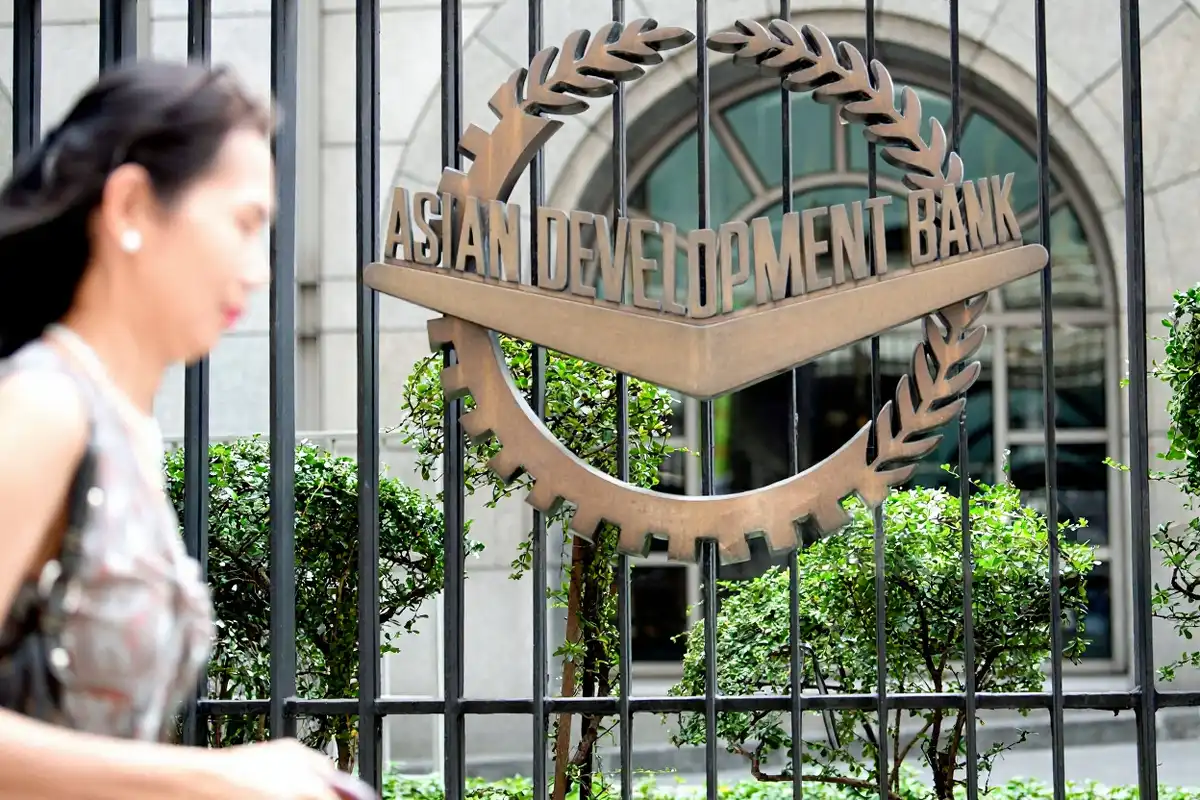
A woman walks past the Asian Development Bank (ADB) logo displayed outside the bank's headquarters in Manila. | Getty Images | getty images
An expert from the Asian Development Bank (ADB) has warned that the Maldives' escalating national debt and the persistent issue of expenditures exceeding revenue cannot be resolved without implementing significant structural reforms.
ADB Public Sector Specialist Olivia Chunyang Zhou stated that a more robust oversight mechanism is essential to strengthen government administration, ensure accountability, and achieve better performance outcomes, while also establishing long-term fiscal stability.
In a blog post published by the Asian Development Bank (ADB), it was noted that the Maldives' fiscal and administrative sectors are facing significant pressure due to various economic challenges, alongside the growing threats of rising sea levels and climate change.
Zhou noted that weak regulatory compliance monitoring systems have hindered the collection of state revenue, further exacerbating the country's financial challenges.
The ADB expert stated that structural weaknesses have hindered the establishment of long-term fiscal stability. Consequently, with the assistance of the Asian Development Bank, the government has initiated efforts to reform audit systems to identify administrative challenges, enhance financial oversight, and control debt and expenditure.
Zhou stated that the primary objectives of these reforms are to modernize financial management, strengthen regulatory compliance, and transition the auditing system toward a risk-based approach.
Further, she noted that reform efforts will not succeed without a robust system of accountability and interconnected operational procedures.
Studies by the ADB indicate that manual processes in project management and invoice processing have led to significant delays in project implementation.
A specialist from the Asian Development Bank (ADB) stated that the Maldives' tax compliance monitoring systems are built upon outdated and cumbersome frameworks. This has not only led to unreliable outcomes but has also hindered the government's ability to identify and manage potential risks effectively.
Zhou emphasized that the integration of technology and risk-based approaches is essential to resolving such issues. Under this framework, Zhou noted the necessity of implementing structural reforms prioritized toward streamlining government processes and enhancing institutional capacity through digital tools.