
STO pharmacies to be transferred to state pharmaceutical corporation
14 ޖެނުއަރީ 2026 | ބުދަ 11:17In September 2025, President Muizzu established the State Pharmaceutical and Medical Supply Corporation Limited, a company created specifically to handle the importation of medicines. Dr. Shah Mahir has been appointed as the Managing Director of the corporation.

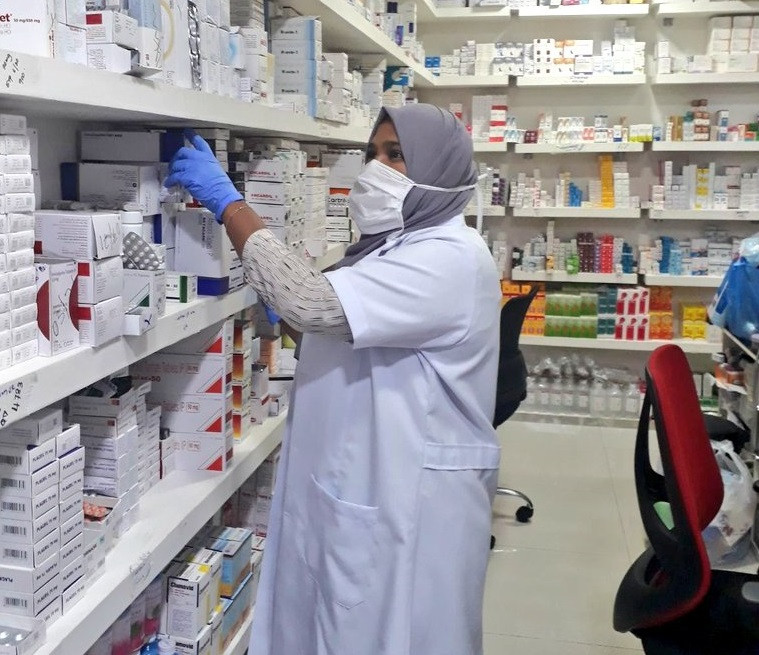
An STO Pharmacy | STO
The State Trading Organization (STO), which currently operates the largest pharmacy network in the Maldives, is set to transfer all of its pharmacies to a specialized state-owned enterprise established by President Dr. Mohamed Muizzu to manage pharmaceutical imports.
Information indicates that the transition process is scheduled to begin next week.
According to reports, the government plans to complete the transfer of all STO pharmacies across the capital, Malé City and the atolls to the new pharmaceutical company by February 15. The administration is working to finalize the transition before the start of the upcoming fasting month of Ramadan.
In September 2025, President Muizzu established the State Pharmaceutical and Medical Supply Corporation Limited, a company created specifically to handle the importation of medicines. Dr. Shah Mahir has been appointed as the Managing Director of the corporation.
As part of the transfer of STO’s pharmacies, more than 500 employees currently engaged in pharmacy operations will be absorbed into the workforce of the new company.
Although MVR 107 million has been allocated in this year’s budget for the corporation’s operations, its mandate extends beyond pharmacy management to include the direct importation of pharmaceutical supplies into the Maldives.
The government formed this dedicated pharmaceutical company in response to mounting public concern over medicine shortages, which have intensified since the current administration assumed office. However, the corporation has yet to carry out its first import of medicinal supplies.
Despite several months having passed since the appointment of its leadership and staff, who are being paid from public tax revenues, a tangible solution to the persistent challenges surrounding medicine availability has yet to materialize.