Maldives experiences hazardous air pollution levels; public urged to use masks, take precautionary measures
23 ޑިސެމްބަރު 2025 | އަންގާރަ 11:35Air quality monitoring data from Malé City shows an air quality index (AQI) of 136. In Villimalé, the monitoring system indicates that the AQI for the Greater Malé Region currently stands at 177, placing it in the red category and indicating unhealthy air quality.


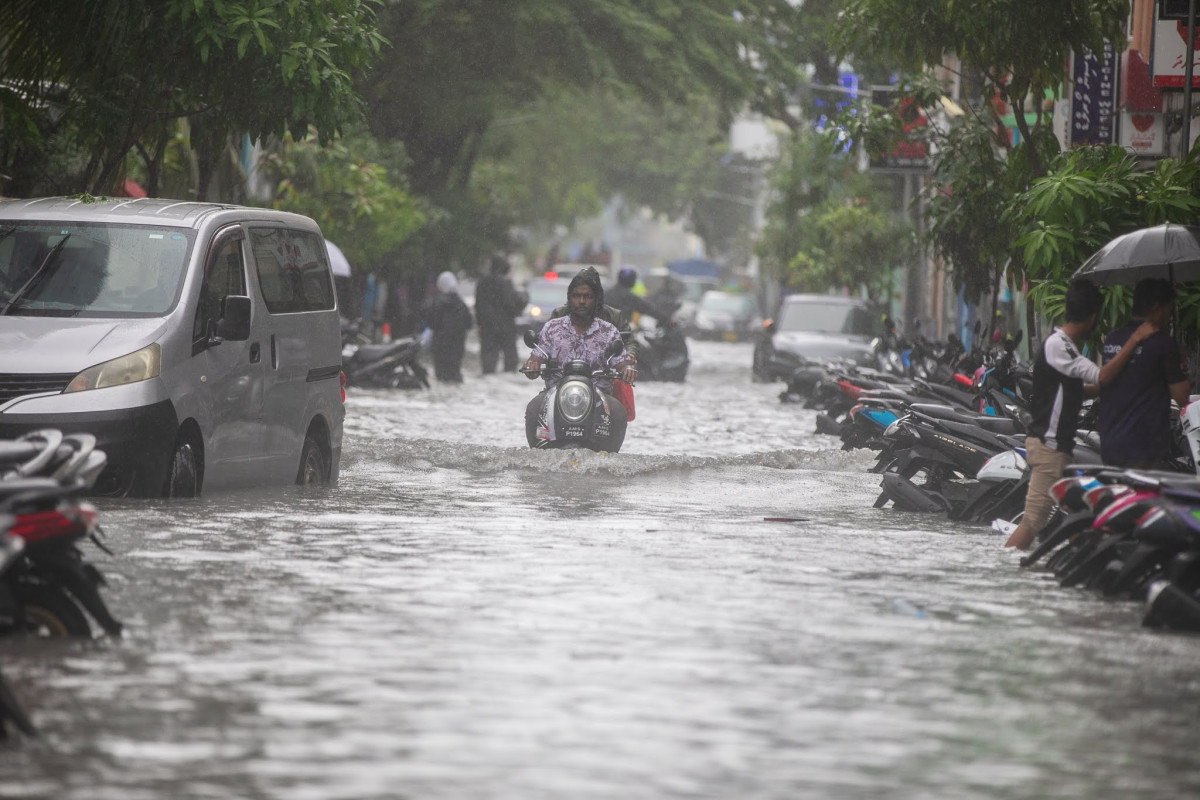
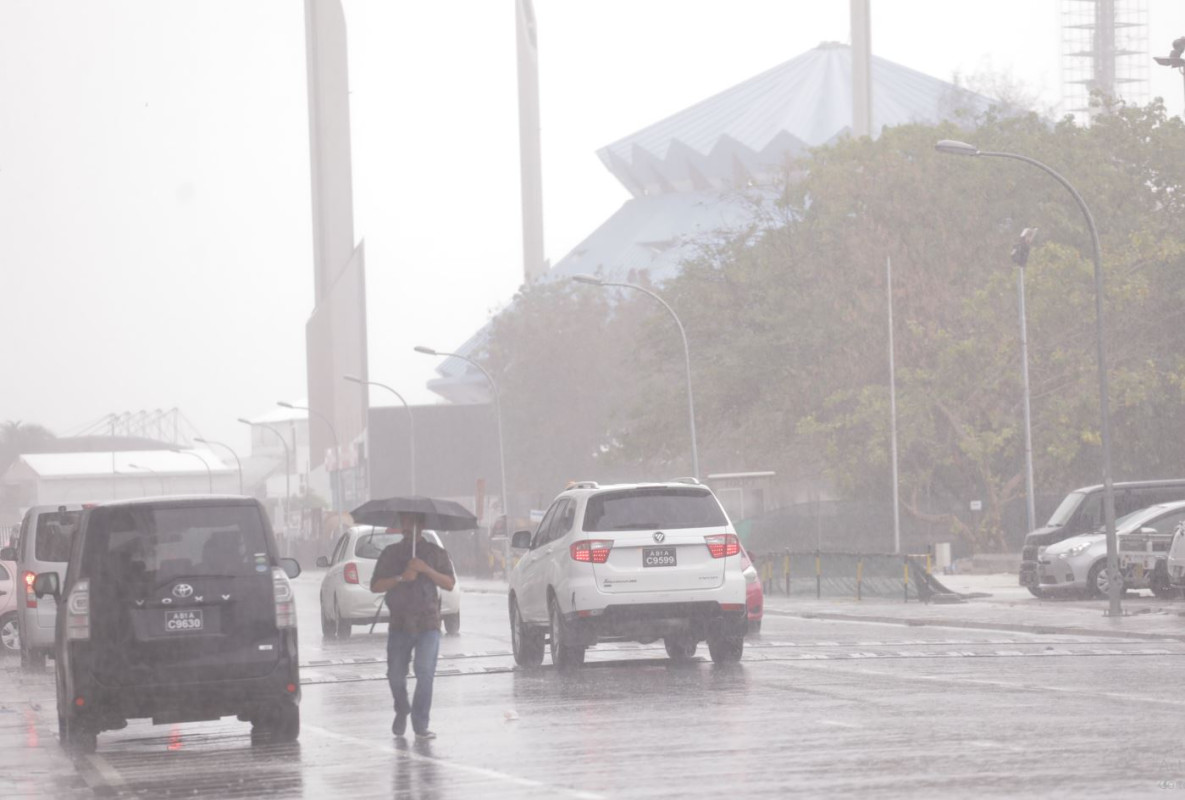
Haze and smoke cloak the Greater Malé Region
The Health Protection Agency (HPA) has once again urged the public to take precautionary measures to reduce the health risks posed by hazardous levels of haze and smoke affecting parts of the Maldives.
The public health authority reported that air pollution is currently affecting some areas of the country and advised vulnerable individuals to exercise particular caution when outdoors during these periods.
The agency further urged all members of the public to wear masks when air pollution levels are high. It also recommended keeping doors closed to prevent indoor air contamination and using air purifiers where possible.
HPA earlier warned the public to remain vigilant about air pollution in the Maldivian region. Individuals with respiratory illnesses, heart conditions, or allergies were specifically advised to limit their time outdoors, while children and the elderly were urged to reduce outdoor activities during affected periods.
In addition to HPA, the Maldives Meteorological Service (MMS) has also cautioned the public about the situation. Speaking to RaajjeMV, an official from MMS stressed that haze is affecting various parts of the Maldives due to the onset of the northeast monsoon.
According to the department, central atolls are particularly impacted by the haze. Records from the past week indicate that the most significant haze effect in the Maldives occurred last Monday.
The agency expects the influence of haze to persist across the Maldivian region for the next five days, carried by northeasterly winds.
Air quality monitoring data from Malé City shows an air quality index (AQI) of 136. In Villimalé, the monitoring system indicates that the AQI for the Greater Malé Region currently stands at 177, placing it in the red category and indicating unhealthy air quality.
Outside the GMR, air quality is also significantly poor in Kudahuvadhoo island of Dhaal atoll, where the monitoring system currently records an AQI of 172.