Legal counsel slams gov’t as police overstep authority in fishermen’s strike
12 ޑިސެމްބަރު 2025 | ހުކުރު 09:12Skipjack tuna fishermen organized a protest with 49 vessels for Fishermen's Day, demonstrating peacefully until police boarded vessels and detained individuals claiming foreign workers violated regulations. Legal counsel Musthafa Hameed condemned the police action, stating Immigration officers not police should handle such matters and that police needed a court order to board vessels. He called it a peaceful strike and demanded compensation for fishermen

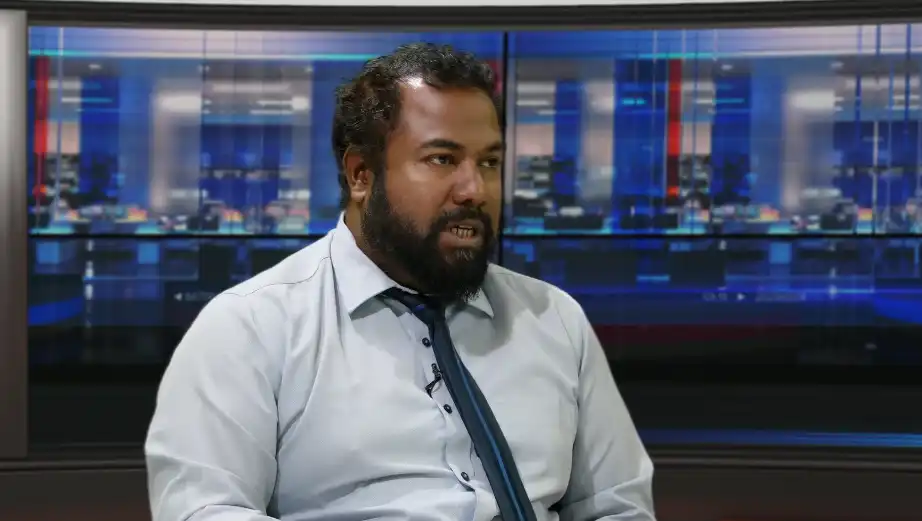
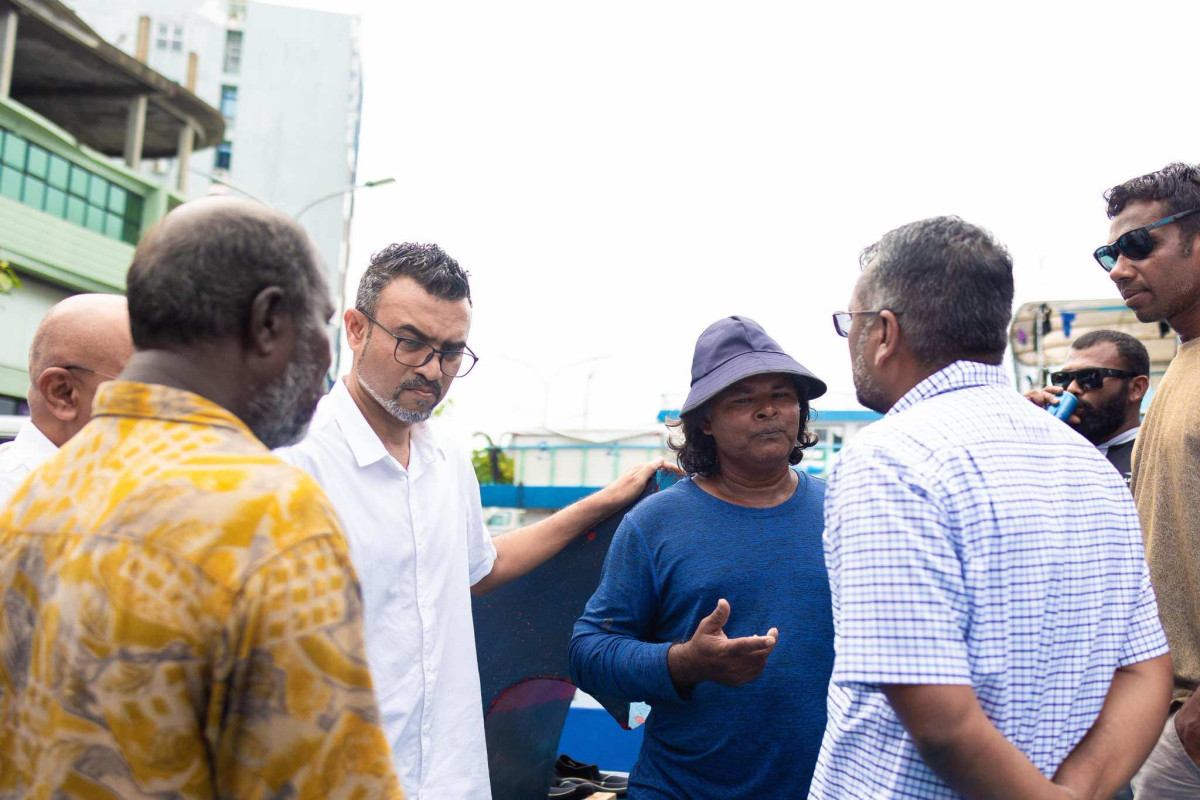
Lawyer Musthafa Hameed speaking on RaajjeTV's Fala Surukhee programme
Legal counsel Musthafa Hameed has stated that if skipjack tuna fishing vessels are found to have undocumented foreign workers on board, it is the responsibility of Immigration officers, not the police, to board those vessels.
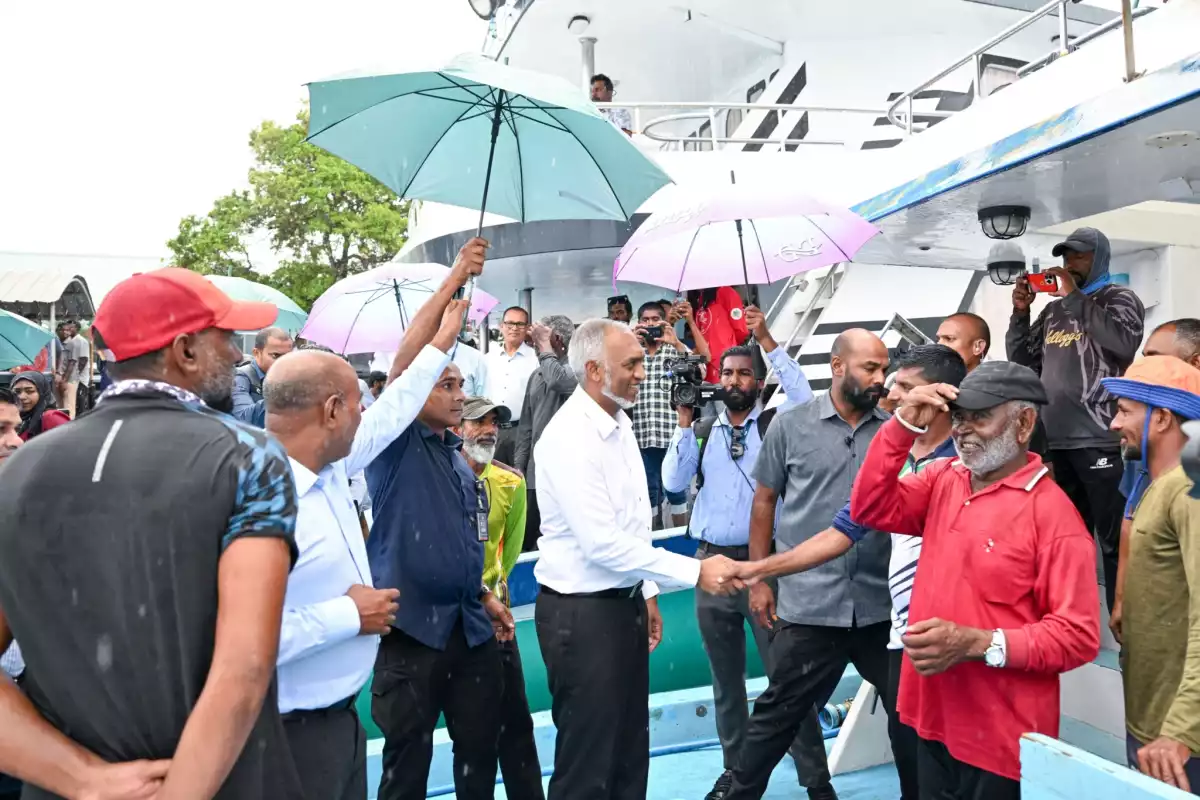
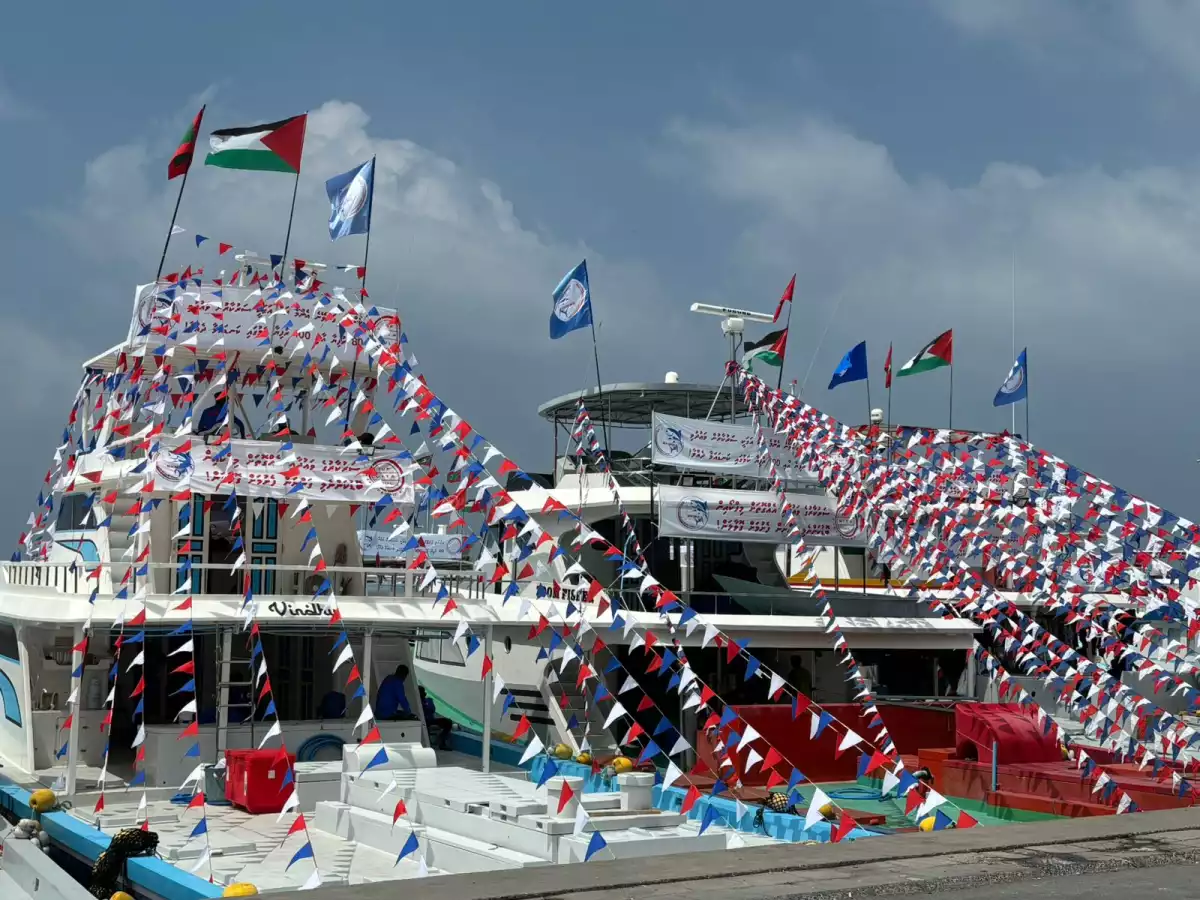
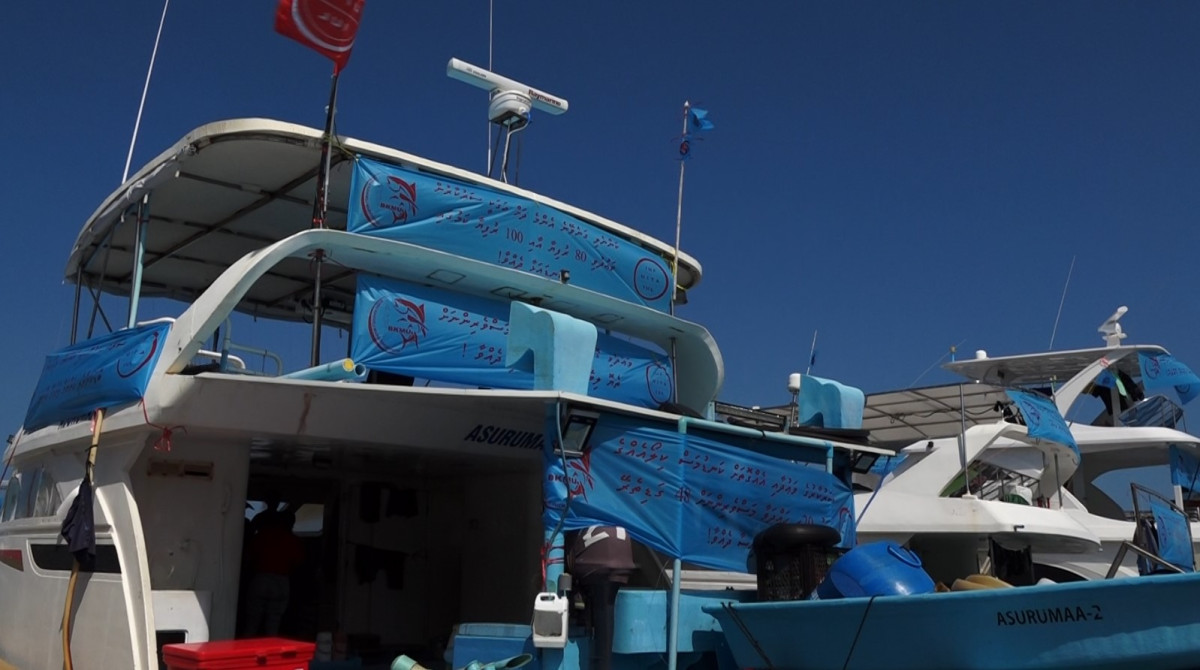
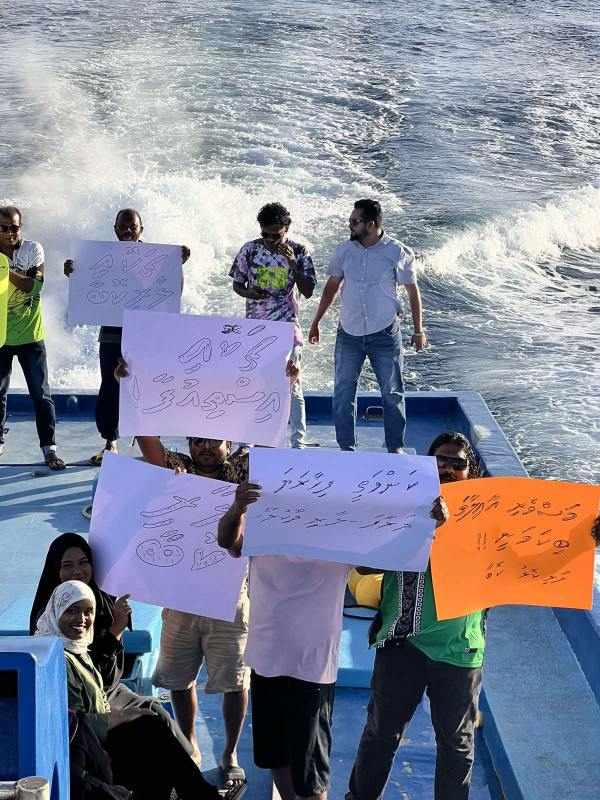
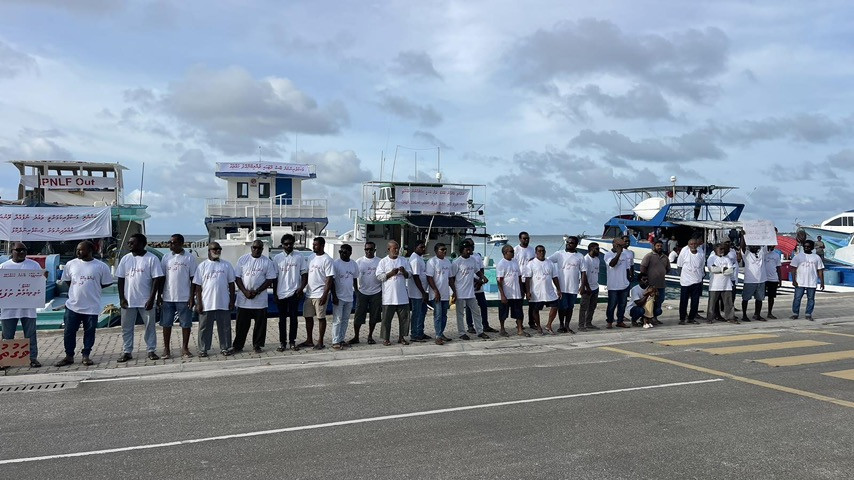
In connection with this year’s Fishermen’s Day, the skipjack tuna fishermen’s union organized a protest involving 49 vessels. The protest began at 9:30am on Wednesday from the Hulhumalé Kanneli Jetty, with fishermen resolving to continue demonstrating until the government responded to their concerns.
When the Coast Guard and police blocked the vessels from entering Jetty Number One, the fishermen remained anchored outside the harbor and peacefully voiced their grievances.
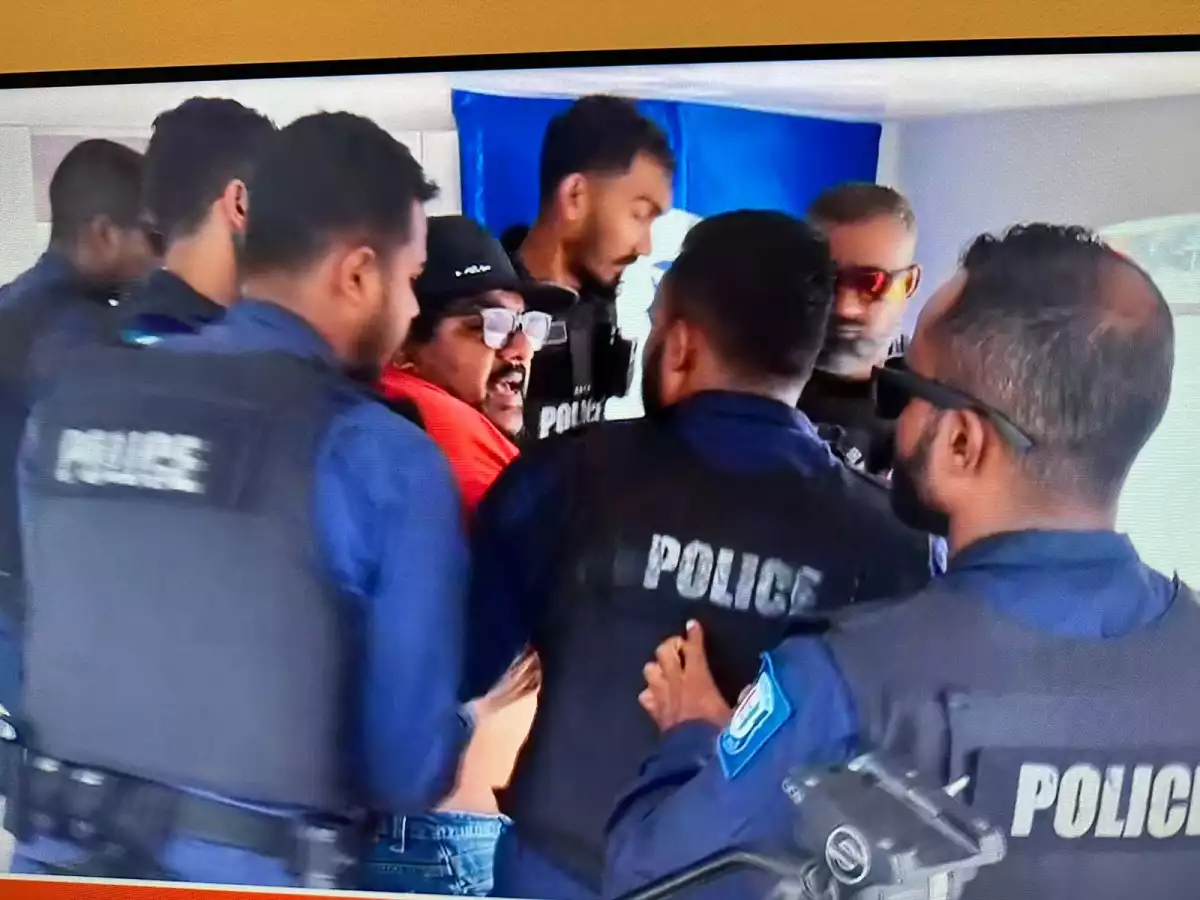
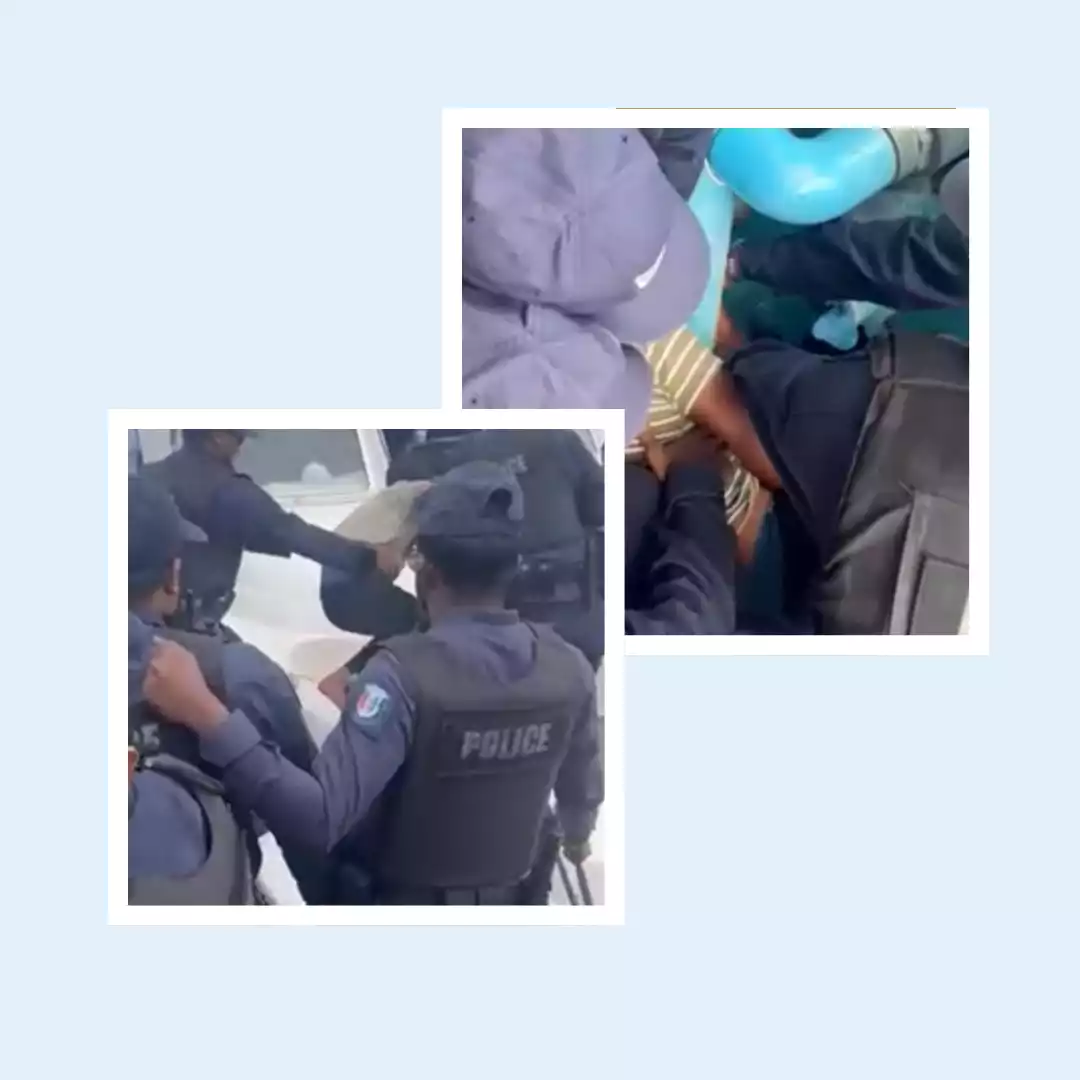
However, on Thursday, police boarded several vessels and took several individuals into custody, justifying their actions by claiming that foreign nationals on board were in violation of existing regulations.
Speaking on RaajjeTV’s ‘Fala Surukhee’ programme on Thursday, Musthafa strongly condemned what he described as the government of President Dr. Mohamed Muizzu creating difficulties for fishermen. He stressed that skipjack tuna fishermen were not simply protesting but were engaged in a significant strike.
The lawyer explained that foreign workers are employed on fishing vessels due to a shortage of Maldivian workers and that these foreign workers possess permits specifically allowing them to work on these vessels.
He noted that even during a strike, these workers would remain on the vessels because they are not permitted to be elsewhere. Emphasizing the universal right to strike, he added that foreign workers, too, are entitled to this right under the Maldivian Constitution if their rights are infringed.
He also highlighted the inconsistency in how foreign workers on skipjack tuna vessels were treated, pointing out that when undocumented foreign workers are reported to the police in other situations, the police typically direct individuals to contact Immigration authorities.
Musthafa reiterated that if undocumented foreign workers are present on fishing vessels, Immigration officers must be the ones to board the vessels, asserting that the police’s actions were unlawful.
He further stated that the police could not have boarded the vessels or halted their operations without a court order.
Musthafa stressed that the police lacked such an order and therefore the state should compensate fishermen for damages caused by the police intervention.
Calling the event a peaceful strike, Musthafa condemned the use of such oppressive measures and concluded by stating that in the country today, there is no group that is not striking due to the loss of their rights.